

Architects of Spiritual House and South Africa’s Rhythmic Renaissance
Origins and Early Life
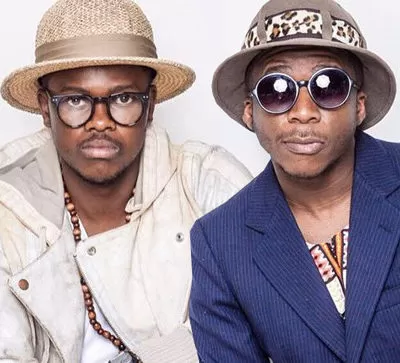
Black Motion was originally formed as a duo consisting of:
- Thabo Mabogwane (known as Smol)
- Bongani Mohosana (known as Murdah Bongz or simply Mörda)
Thabo Mabogwane
Place of Birth: Soshanguve
Full Name: Thabo Mabogwane
Date of Birth: 1980s (exact date not publicly disclosed)
- Place of Birth: Soshanguve
Bongani Mohosana
- Full Name: Bongani Mohosana
- Date of Birth: June 9, 1987
- Place of Birth: Pretoria
Both artists were raised in environments rich with music, community gatherings, and traditional rhythms. Their upbringing in South Africa’s townships exposed them to gospel, kwaito, jazz, and indigenous percussive traditions—elements that would later form the backbone of their sound.
While formal academic details remain limited, their true education came from lived experience—church choirs, street performances, and a deep immersion in South Africa’s musical heritage.
Formation of Black Motion
The duo officially formed Black Motion in the late 2000s, united by a shared vision: to create music that was both spiritually uplifting and rhythmically compelling.
Their name, “Black Motion,” reflects both movement and identity—a celebration of African rhythm and cultural expression in motion.
From the outset, they distinguished themselves by incorporating live percussion into their performances, transforming DJ sets into dynamic, almost ritualistic experiences.
Breakthrough and Rise to Prominence
Black Motion’s self-titled debut album, Black Motion (2011), marked their arrival on the South African music scene. The project introduced audiences to their signature fusion of deep house with traditional African elements.
However, it was their second album, Fortified (2014), that propelled them into widespread acclaim. Featuring collaborations with artists such as Dr Malinga and Nana Atta, the album produced hits like “Rainbow” and showcased their ability to merge accessibility with depth.
Their 2016 album, Ya Badimo, became a landmark release. The title, meaning “of the ancestors,” signaled a deeper spiritual direction—one that resonated strongly with audiences across Africa and beyond.
Musical Style and Influences
Black Motion’s sound is often described as Afro house, but this label only partially captures their artistry. Their music is a rich tapestry woven from:
- Traditional African percussion
- Deep house grooves
- Gospel-inspired vocals
- Jazz and soul influences
Their influences include:
- South African jazz pioneers
- Kwaito legends
- Global house music innovators
What sets them apart is their spiritual intentionality. Their music often evokes themes of ancestry, healing, and unity—transforming dance music into a deeply emotional and cultural experience.
Performance Philosophy and Global Reach
Black Motion’s live performances are central to their identity. Unlike conventional DJ sets, their shows incorporate:
- Live drumming
- Improvisation
- Audience interaction
This approach has earned them stages across the world, from African festivals to international venues in Europe and North America.
Their performances are often described as ceremonial, blurring the line between concert and spiritual gathering.
Discography Overview
Studio Albums
| Year | Album |
|---|---|
| 2011 | Black Motion |
| 2014 | Fortified |
| 2016 | Ya Badimo |
| 2018 | Moya Wa Taola |
| 2020 | The Healers: The Last Chapter |
Notable Tracks
- “Rainbow”
- “Imali”
- “Joy Joy”
- “Banane Mavoko”
- “Idlozi”
Awards and Recognition
Black Motion has received numerous accolades within South Africa’s prestigious music industry.
Selected Awards
| Year | Award | Category | Result |
|---|---|---|---|
| 2015 | South African Music Awards | Best Dance Album (Fortified) | Won |
| 2017 | South African Music Awards | Best Duo/Group | Won |
| 2017 | South African Music Awards | Best Dance Album (Ya Badimo) | Won |
| 2019 | South African Music Awards | Best Dance Album (Moya Wa Taola) | Won |
Their consistent recognition underscores their impact on shaping modern African electronic music.
Collaborations and Industry Contributions
Black Motion has collaborated with a wide array of artists, contributing both production and songwriting expertise. These include:
- Prince Kaybee
- Zakes Bantwini
- Sun-El Musician
Through these collaborations, they have helped define the Afro house movement, bringing it to global attention.
Challenges and Evolution
In 2022, Black Motion underwent a significant transformation when Bongani Mohosana departed the group to pursue a solo career under the name Mörda.
This transition marked a pivotal moment, raising questions about the group’s future. However, Thabo Mabogwane continued the Black Motion legacy, introducing new collaborators and maintaining the project’s core identity.
Such changes reflect the broader challenges of longevity in the music industry—balancing personal evolution with collective legacy.
Personal Life and Cultural Identity
Both members have maintained relatively private personal lives, choosing to let their music speak for them. However, their work reflects a deep connection to:
- African spirituality
- Community values
- Cultural heritage
Mörda’s high-profile relationship and marriage to DJ Zinhle brought additional public attention, though it remained largely separate from the group’s artistic narrative.
Recent Activities and Continuing Influence (2020s–Present)
Following their split, both Black Motion and Mörda have continued to evolve:
- Black Motion remains active with new performances and releases
- Mörda has launched a successful solo career, expanding his sound
Their influence persists across the Afro house scene, inspiring a new generation of producers and DJs across Africa and the diaspora.
Legacy and Cultural Impact
Black Motion’s legacy lies in their ability to bridge worlds:
- Traditional and modern
- Local and global
- Spiritual and electronic
They have played a crucial role in positioning Afro house as a respected and influential genre on the global stage.
Their music is not merely heard—it is felt, experienced, and lived.
Black Motion stands as a testament to the transformative power of music rooted in identity and purpose. For global audiences new to electronic music, their work offers an entry point into a richer, more soulful dimension of the genre—where rhythm becomes ritual, and sound becomes spirit.


