

The Global Architect of Afro-House
Early Life and Formative Years
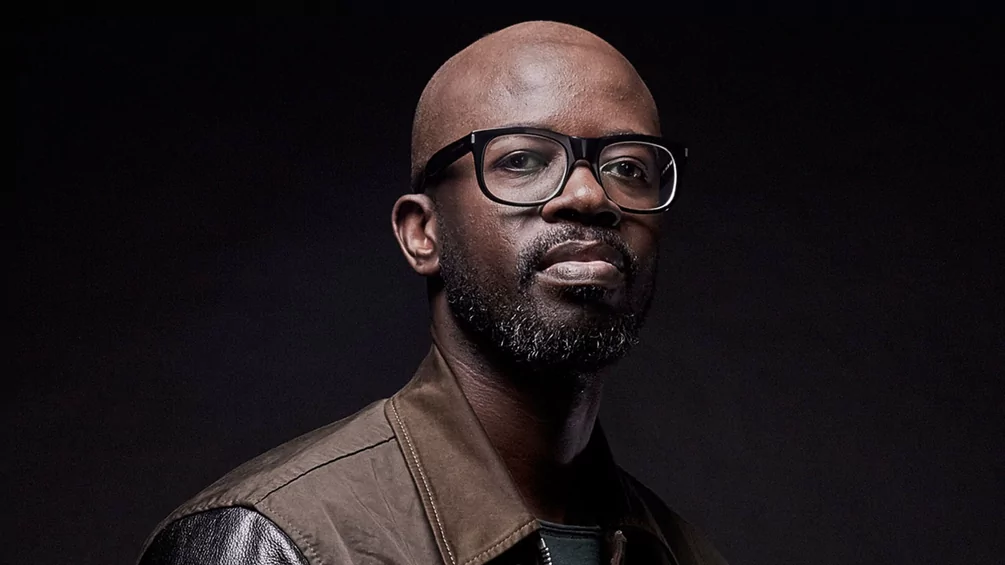
Born Nkosinathi Innocent Maphumulo on 11 March 1976 in eThekwini (Durban), KwaZulu-Natal, South Africa, Black Coffee emerged from a nation in political transition. Raised primarily in the township of Umlazi, his early life unfolded against the backdrop of the final years of apartheid—a climate that would profoundly shape his artistic voice.
The incident left him with a permanent injury to his left arm. Rather than defining him through limitation, the experience instilled in him an extraordinary sense of resilience. Years later, he would reflect that adversity sharpened his internal focus—an introspection that became audible in the meditative, soulful textures of his music.
He pursued formal music education at the Technikon Natal (now Durban University of Technology), where he studied jazz. The academic grounding in harmony, arrangement, and live instrumentation later distinguished his productions from the more rigid, loop-based conventions of electronic dance music.
The Birth of an Artistic Vision
Black Coffee’s professional journey began in the late 1990s as part of the Afro-pop trio Shana, alongside Demor Sikhosana and Mnqobi Mdabe. Though short-lived, the group offered him a first taste of professional recording and live performance.
His solo breakthrough came in 2003 when he was selected to participate in the Red Bull Music Academy in Cape Town. This exposure connected him to a global network of producers and refined his artistic direction. In 2005, he released his self-titled debut album, Black Coffee. The project was groundbreaking: a seamless blend of deep house, jazz, and traditional African rhythms. The album’s innovative use of live strings—performed by the KwaZulu-Natal Philharmonic Orchestra—signaled a new ambition for South African house music.
At a time when much of global EDM leaned toward high-energy festival anthems, Black Coffee cultivated something deeper—intimate, spiritual, and rooted in African identity.
Defining Afro-House for the World
Throughout the late 2000s and 2010s, Black Coffee steadily refined what would become globally recognized as Afro-house—a subgenre characterized by intricate percussion, emotive vocals, and minimalist yet expansive atmospheres.
Key Albums
- Have Another One (2007)
- Home Brewed (2009)
- Africa Rising (2012)
- Pieces of Me (2015)
- Subconsciously (2021)
His 2012 project Africa Rising was particularly historic. Recorded live in Durban with a 24-piece orchestra and a 12-piece band, the performance showcased electronic music as concert art rather than nightclub entertainment. It was a defining cultural moment for post-apartheid South Africa.
By the mid-2010s, Black Coffee had transitioned from national icon to international tastemaker. Residencies in Ibiza, performances at Coachella, and collaborations with global artists elevated him into the highest echelons of dance music.
Global Collaborations and Crossover Success
Black Coffee’s ability to bridge underground credibility with mainstream appeal is rare. His production and songwriting contributions extend across genres:
- Collaborations with Drake, who sampled Black Coffee’s track “Superman” on More Life.
- Work with David Guetta, fusing Afro-house rhythms with global EDM.
- Collaborations with Usher, Alicia Keys, and Pharrell Williams.
- Production credits involving African stars such as Bucie and Cassper Nyovest.
His 2021 album Subconsciously marked a full international crossover moment. Featuring artists like Diplo, Kid Cudi, and Msaki, the album earned him a Grammy Award for Best Dance/Electronic Album in 2022—making him one of the first African DJs to achieve this honor.
Awards and Recognition
Black Coffee’s accolades reflect both local reverence and global acclaim.
Major Awards
| Year | Award | Category | Work |
|---|---|---|---|
| 2016 | BET Awards | Best International Act: Africa | — |
| 2022 | Grammy Awards | Best Dance/Electronic Album | Subconsciously |
| Multiple | South African Music Awards | Various | Multiple Albums |
| 2022 | DJ Awards (Ibiza) | Best Deep House DJ | — |
His Grammy win was particularly symbolic—not merely a personal triumph but a validation of African electronic music on the world’s most visible stage.
Musical Influences and Philosophy
Black Coffee’s sonic identity draws from a diverse palette:
- South African jazz traditions
- Gospel harmonies
- Deep house pioneers from Chicago and Detroit
- Afrobeat rhythms
Artists such as Hugh Masekela and Fela Kuti shaped his understanding of music as cultural expression and resistance.
He has often described his work as “music without borders,” emphasizing emotional universality over commercial formula. His productions avoid excessive drops or explosive buildups; instead, they unfold gradually, inviting listeners into meditative states.
Entrepreneurship and Industry Influence
Beyond performance, Black Coffee is a cultural entrepreneur:
- Founder of Soulistic Music, his independent record label.
- Mentor to emerging African producers.
- Advocate for African creative ownership in global markets.
He has transformed the perception of African DJs from regional performers to global headliners commanding the world’s largest stages.
Personal Life and Public Narrative
Black Coffee was previously married to South African actress and television personality Enhle Mbali Mlotshwa. Their high-profile divorce in 2019 attracted significant media attention, including legal disputes over financial matters and custody arrangements.
While intensely private, Black Coffee has spoken openly about fatherhood and spirituality. He identifies strongly with African cultural heritage and often integrates themes of unity and transcendence into his music.
Despite global fame, he maintains strong ties to South Africa and frequently reinvests in community initiatives.
Challenges and Controversies
Like many global artists, Black Coffee’s ascent was not without challenges:
- Surviving early-life physical trauma.
- Navigating public scrutiny during divorce proceedings.
- Facing industry skepticism about African electronic music’s commercial viability.
His perseverance in each instance reinforced his public image as a disciplined, visionary figure rather than a celebrity defined by scandal.
Recent Activities (2023–2026)
In recent years, Black Coffee has continued to dominate international circuits, maintaining high-profile Ibiza residencies and headlining major festivals across Europe, the Middle East, and North America.
He has expanded collaborations with luxury brands and fashion houses, positioning himself not merely as a DJ but as a global cultural ambassador. New music releases and curated events continue to reinforce his role as the foremost global ambassador of Afro-house.
Discography Overview
Studio Albums:
- Black Coffee (2005)
- Have Another One (2007)
- Home Brewed (2009)
- Africa Rising (2012)
- Pieces of Me (2015)
- Subconsciously (2021)
Enduring Legacy
Black Coffee stands as a singular figure in 21st-century music. He did not merely participate in the globalization of dance music—he redirected its center of gravity toward Africa.
For newcomers to EDM, his career offers a powerful lesson: electronic music is not confined to flashing lights and festival drops. In Black Coffee’s hands, it becomes spiritual architecture—sound as memory, resistance, and aspiration.
From Umlazi to Ibiza, from township rhythms to Grammy stages, Black Coffee has composed not just tracks but a transcontinental dialogue. His legacy is not only in awards or chart positions but in the doors he has opened for African producers worldwide.


