

The Transnational Pulse of Contemporary Techno
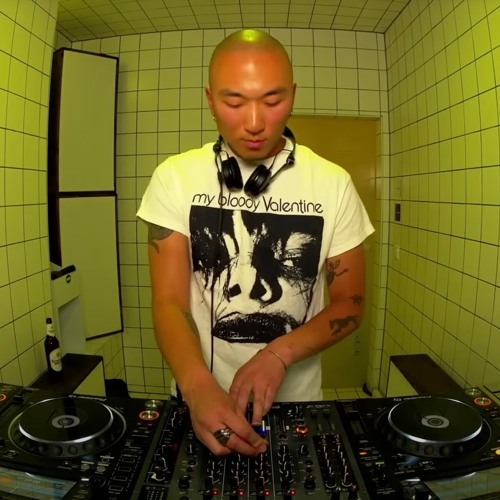
In the constantly shifting terrain of electronic dance music, certain artists emerge not merely as participants but as catalysts—figures who synthesize global influences into something urgent and distinctly modern. D. Dan is one such artist. With a sound that fuses American intensity and Berlin’s industrial rigor, he has become one of the defining names of the 2020s techno resurgence.
Born Daniel Kwon (professionally known as D. Dan) in the United States in the early 1990s, he represents a generation shaped by globalization, digital culture, and cross-continental exchange. Though precise public details regarding his birth date and family background remain intentionally private—a choice consistent with underground techno culture—his artistic trajectory is well documented: from American DIY scenes to Berlin’s most revered institutions.
For readers new to EDM, D. Dan’s story offers a compelling entry point into how techno, once regionally defined, has evolved into a borderless cultural language.
Early Life: American Roots and Cultural Duality
Daniel Kwon was raised in the United States within a Korean-American household, a bicultural environment that exposed him to contrasting value systems—discipline and introspection alongside the expressive individualism of American youth culture. While he has not publicly disclosed extensive details about his parents or siblings, interviews suggest that his upbringing emphasized both creative curiosity and resilience.
His early musical encounters were eclectic. Before discovering techno, he explored punk, hardcore, and experimental electronic music. This exposure to high-intensity genres would later inform his approach to DJing: fast, driving, and emotionally direct.
Unlike classically trained musicians, D. Dan’s education was rooted in DIY experimentation. He began producing music in his teenage years using accessible digital software, gradually refining his understanding of rhythm and sound design. His formal academic background remains largely undisclosed, but his technical fluency suggests deep self-education in production techniques.
From the American Underground to Berlin
D. Dan’s formative years as an artist unfolded in the United States, where he became involved in grassroots electronic scenes. His early releases captured attention for their raw, high-energy style—bridging hard techno, trance influences, and industrial textures.
However, a pivotal chapter began when he relocated to Berlin, Germany—the spiritual capital of contemporary techno. Berlin’s club culture, renowned for marathon sets and uncompromising sonic standards, provided both challenge and opportunity.
Performing at globally recognized venues such as Berghain, D. Dan solidified his reputation as a formidable DJ capable of commanding extended dancefloor journeys. His sets became known for their precision, momentum, and emotional intensity—often blending classic rave motifs with cutting-edge production.
Musical Identity: Speed, Precision, and Emotion
D. Dan’s sound is marked by:
- Fast BPM structures
- Hard-hitting kick drums
- Acidic textures
- Trance-inflected atmospheres
- Industrial minimalism
While rooted in techno, his style embraces elements of early 2000s rave, hardgroove, and even EBM. The result is music that feels both nostalgic and forward-facing—a revival of raw dancefloor euphoria filtered through contemporary production clarity.
In interviews, he has emphasized the importance of tension and release, describing DJing as storytelling through momentum. This narrative approach has resonated strongly with younger audiences drawn to high-intensity club experiences.
Label Work and Industry Influence
Beyond performance, D. Dan has contributed significantly through label initiatives and collaborative releases. He founded the label Future.666, which became a platform for boundary-pushing techno and cross-genre experimentation.
Through this imprint, he has supported emerging artists while releasing his own work—strengthening his position as both creator and curator.
His productions have circulated widely among leading techno DJs, reinforcing his influence within professional circles. As techno’s harder edge resurged in the early 2020s, his work stood at the forefront of the movement.
Collaborations and Creative Networks
D. Dan’s collaborative ethos reflects techno’s community-driven roots. He has shared lineups with prominent international artists and participated in back-to-back DJ sets that highlight creative synergy.
Rather than chasing mainstream pop crossovers, his partnerships remain grounded in underground authenticity—aligning with peers who prioritize sonic integrity over commercial appeal.
Challenges and Industry Navigation
As an Asian-American artist in a predominantly European scene, D. Dan has navigated questions of identity and representation. While he has not centered his career on overt political statements, his visibility contributes to the diversification of techno’s global image.
The rapid commercialization of EDM in the 2010s posed another contextual challenge. Instead of softening his sound for festival markets, he intensified it—leaning into higher tempos and industrial aesthetics. This decision positioned him within the underground resurgence rather than mainstream EDM spectacle.
The COVID-19 pandemic also disrupted touring schedules globally. During this period, D. Dan focused on studio work and digital performances, maintaining momentum despite industry-wide shutdowns.
Public Persona and Personal Philosophy
D. Dan maintains a relatively reserved public persona, allowing the music to speak more loudly than his biography. However, interviews reveal a thoughtful artist attuned to the emotional power of sound.
He has discussed the importance of authenticity and self-trust, especially in a digital age saturated with trends. His bicultural background appears to inform a balanced worldview—discipline paired with creative daring.
There are no significant public controversies attached to his name. His reputation rests on professionalism, intensity, and dedication to craft.
Selected Discography
While much of his output consists of EPs and singles, several releases have been particularly influential.
Notable Releases
- Hard Times
- Mutant Future
- Future.666 Compilation Series
- Multiple EPs released via Future.666 and respected European labels
His discography reflects consistency rather than dramatic reinvention—each release reinforcing his signature high-energy blueprint.
Awards and Recognition
In the underground techno sphere, acclaim often comes through peer endorsement and bookings rather than mainstream trophies.
| Year/Period | Recognition | Significance |
|---|---|---|
| Early 2020s | Breakthrough Berlin Performances | Established international credibility |
| 2020s | Founder of Future.666 | Platform for emerging techno talent |
| Ongoing | Berghain Appearances | Recognition by one of techno’s most influential institutions |
Such milestones underscore his standing within the global scene.
Recent Activities (2023–2026)
As of the mid-2020s, D. Dan continues to release music and tour internationally. The global appetite for faster, harder techno has amplified his relevance, positioning him as a defining voice of the genre’s current wave.
He remains active in label curation, studio experimentation, and high-profile club performances, demonstrating both artistic stamina and adaptability.
Cultural Impact and Legacy
Though still in the relatively early stages of his career, D. Dan’s impact is already discernible:
- Revitalizing Hard Techno: Contributed to the resurgence of faster, rave-inflected sounds.
- Expanding Representation: A visible Asian-American presence in global techno circuits.
- Institution Builder: Created Future.666 as a platform for innovation.
- Bridging Continents: Embodies the transnational flow between American roots and Berlin culture.
For newcomers to EDM, D. Dan illustrates how techno evolves through reinvention—how each generation absorbs the past and accelerates it forward.


