

The Global Rise of Brazil’s Electronic Music Visionary
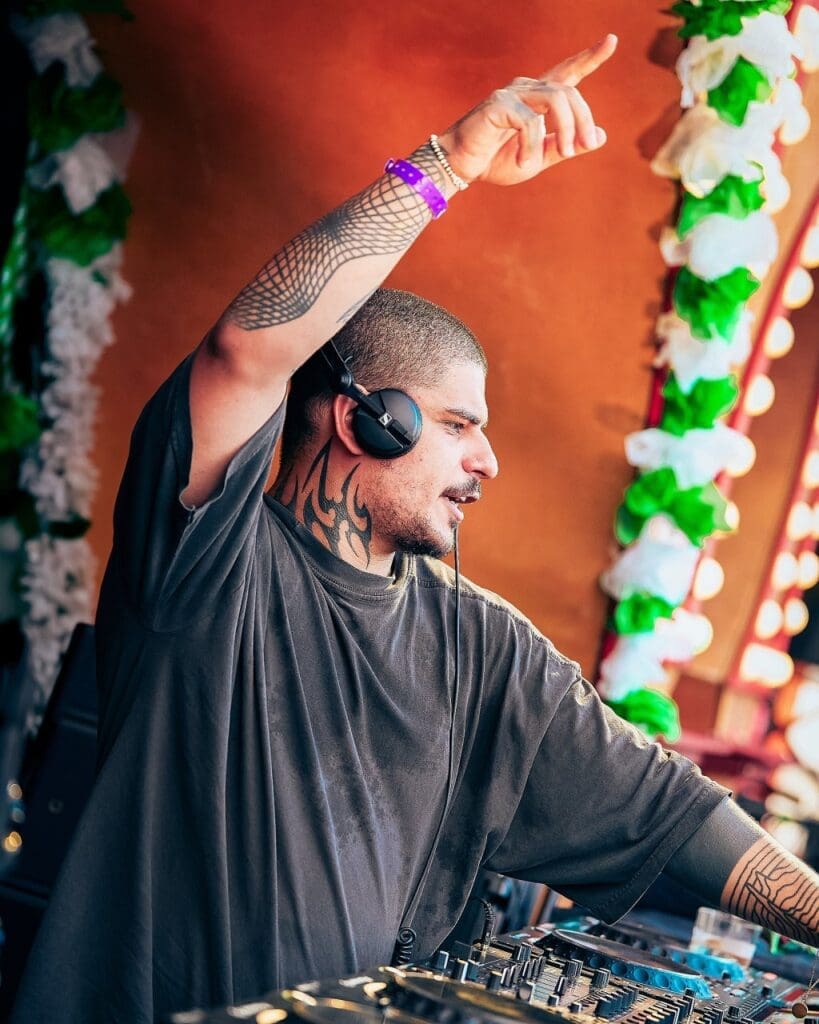
Early Life and Family Background
Full Birth Name:
Lukas Ruiz Hespanhol
Date of Birth: July 7, 1993
Place of Birth: Mundo Novo
Lukas Ruiz Hespanhol was born in the small Brazilian town of Mundo Novo, located in the southern state of Paraná. Raised in a modest environment, he grew up far from the bustling nightlife hubs that would later define his career. His upbringing was shaped by a close-knit family and the relaxed pace of life typical of Brazil’s interior regions.
From an early age, Hespanhol displayed a deep curiosity about music. Unlike many future DJs who begin their journey through classical training, his musical education came primarily through listening—absorbing sounds from radio broadcasts, family gatherings, and the evolving landscape of global electronic music.
His parents supported his creative curiosity, though they had little connection to the entertainment industry. As a teenager, he began experimenting with digital music software and DJ equipment, discovering that technology allowed him to reinterpret songs in ways that resonated with dance audiences.
Education and Early Musical Exploration
During his adolescence, Hespanhol attended local schools in Paraná while simultaneously nurturing a growing fascination with electronic music production. Formal musical training was minimal; instead, he developed his skills independently through online tutorials, trial-and-error experimentation, and a relentless curiosity about sound design.
The internet played a crucial role in shaping his artistic path. As global electronic music began spreading rapidly through streaming platforms and online communities in the early 2010s, the young Brazilian DJ absorbed influences from Europe and North America while experimenting with his own productions.
His stage name, Vintage Culture, reflected his admiration for classic music and timeless sounds—particularly disco, funk, and retro pop that he enjoyed remixing with modern house beats.
Breakthrough and Viral Success
Vintage Culture’s career began gaining traction around 2013–2015, when his unofficial remixes began circulating widely across Brazilian dance floors and social media platforms.
Two tracks proved especially pivotal:
- His remix of Blue Monday by New Order
- His rework of Another Brick in the Wall by Pink Floyd
These remixes blended nostalgic melodies with modern deep-house production, quickly becoming viral hits in Brazil’s club circuit. The tracks spread across streaming platforms and DJ playlists, establishing Vintage Culture as a fresh and exciting voice in electronic music.
The sudden popularity propelled him from local performances to national recognition almost overnight.
Rise in the Global EDM Scene
Following his early success, Vintage Culture began releasing original music that captured the same melodic sensibility as his remixes.
Among his breakout productions were:
- Slow Down
- Hollywood
- Drinkee
These tracks gained widespread play from international DJs and helped propel his reputation beyond Brazil.
His music combined elements of:
- Deep house
- melodic house
- techno
- progressive dance music
This stylistic blend resonated strongly with festival audiences and streaming listeners alike.
By the late 2010s, Vintage Culture had become one of the most globally recognized DJs from Latin America.
Major Festivals and International Performances
Vintage Culture’s growing reputation soon earned him invitations to some of the world’s most prominent electronic music events.
He has performed at major festivals including:
- Tomorrowland
- Ultra Music Festival
- Lollapalooza
- Rock in Rio
These appearances placed him alongside global superstars of EDM and helped cement Brazil’s reputation as a powerful force in the genre.
His performances are known for blending emotional melodies with energetic house rhythms, creating sets that move fluidly between festival anthems and underground club sounds.
Musical Style and Influences
Vintage Culture’s sound draws from a diverse range of musical traditions.
Key influences include:
- 1980s synth-pop and disco
- deep house and progressive house
- Brazilian dance culture
- European techno aesthetics
Artists frequently cited among his inspirations include:
- Daft Punk
- Eric Prydz
- Solomun
This fusion of influences allows him to craft tracks that feel both nostalgic and contemporary.
Collaborations and Industry Contributions
As his career expanded internationally, Vintage Culture began collaborating with numerous artists across electronic music and pop.
Notable collaborators include:
- Fancy Inc
- Claptone
- James Hype
- Goodboys
These partnerships helped expand his musical range while introducing Brazilian house music to new audiences.
Beyond performing and producing, Vintage Culture has also played an influential role in promoting Brazil’s electronic music scene through record labels, mentorship, and collaborations.
Awards and Recognition
Vintage Culture’s rapid rise has been accompanied by significant industry recognition.
Selected Awards and Honors
| Year | Award | Category |
|---|---|---|
| Multiple Years | DJ Mag Top 100 DJs | Ranked among world’s top DJs |
| Brazil Electronic Music Awards | Best DJ | Winner |
| Spotify Streaming Milestones | Various tracks | Millions of streams |
He has repeatedly appeared on the Top 100 DJs list published by DJ Mag, a benchmark ranking widely followed in the electronic music community.
Discography Highlights
Although primarily known for singles and EPs, Vintage Culture has built a substantial catalog of influential releases.
Selected Singles
| Year | Song |
|---|---|
| 2015 | Blue Monday (Remix) |
| 2015 | Another Brick in the Wall (Remix) |
| 2016 | Hollywood |
| 2016 | Slow Down |
| 2018 | Cante Por Nós |
| 2019 | In The Dark |
| 2021 | It Is What It Is |
| 2023–2025 | Multiple international releases and collaborations |
His tracks frequently chart on dance streaming playlists and remain staples in DJ sets worldwide.
Challenges and Industry Pressures
Like many globally touring DJs, Vintage Culture has faced the intense demands of the electronic music industry.
These challenges include:
- relentless international touring schedules
- constant pressure to release new music
- navigating the competitive global festival circuit
Despite these pressures, he has consistently emphasized the importance of creativity and authenticity in interviews, often stating that staying connected to his Brazilian roots helps keep his music grounded.
Public Persona and Personal Life
While Vintage Culture maintains a high public profile through performances and social media, he tends to keep much of his personal life private.
His public identity focuses largely on:
- musical creativity
- global touring
- cultural pride in Brazilian music
In interviews, he has spoken about the responsibility he feels in representing Brazil on the world stage, particularly within the electronic music community.
Legacy and Cultural Impact
Vintage Culture represents a broader movement within electronic music—the globalization of dance culture and the rise of artists from regions once considered outside the traditional EDM centers.
His impact can be seen in several areas:
- elevating Brazil’s status in global electronic music
- blending nostalgic melodies with modern house production
- inspiring a new generation of Brazilian DJs
For many fans and industry observers, he symbolizes the international expansion of electronic music beyond Europe and North America.
Recent Work and Continuing Influence
As of the mid-2020s, Vintage Culture continues to release new music, collaborate with international artists, and headline major festivals around the world.
His sets remain staples of global dance events, and his streaming numbers continue to grow across platforms.
With each new release, he reinforces his reputation as one of the most important electronic artists to emerge from Brazil in the 21st century.
From a small-town upbringing in southern Brazil to the global stage of EDM festivals, Vintage Culture’s journey reflects the transformative power of music in the digital age.
Through his melodic house productions, electrifying performances, and dedication to artistic authenticity, Lukas Ruiz Hespanhol has carved out a distinctive place in modern electronic music.


