

The Master Craftsman of Garage House and Club Culture
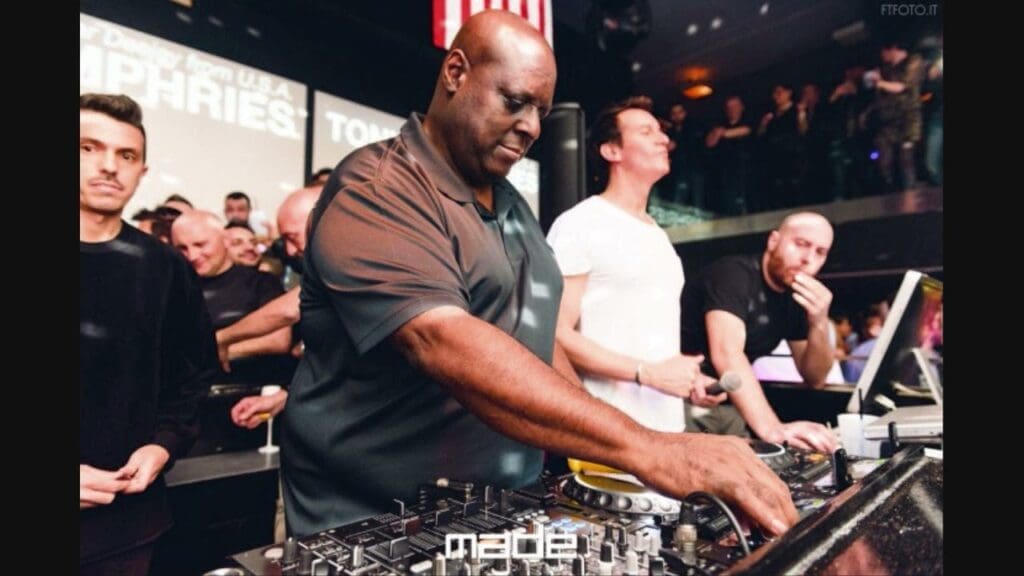
Early Life and Family Background
Tony Humphries was born April 6, 1957, in Brooklyn, New York, United States.
Growing up in Brooklyn during the golden age of soul and funk music, Humphries was surrounded by a vibrant musical landscape that included gospel choirs, street DJs, and neighborhood dance parties.
His upbringing in an African American community deeply rooted in musical expression played a critical role in shaping his artistic identity.
From an early age, Humphries was captivated by rhythm and sound. His family environment encouraged creativity, and he developed an appreciation for classic soul recordings, radio broadcasts, and live performances that filled New York’s cultural spaces.
These early musical experiences would later influence the deeply soulful character of his DJ sets.
Education and Early Musical Curiosity
Humphries attended local schools in Brooklyn but soon discovered that his true passion lay beyond traditional academic pursuits.
During his teenage years, he began experimenting with turntables and vinyl records, practicing beat matching and developing an intuitive understanding of how different songs could be blended to create a continuous musical experience.
At the time, the concept of a DJ as a performing artist was still emerging. However, Humphries quickly demonstrated a natural talent for reading crowds and creating emotional musical journeys on the dancefloor.
His early musical influences included pioneering DJs such as Larry Levan and David Mancuso, both of whom were instrumental in shaping New York’s underground dance music culture.
Early Career and Radio Breakthrough
Tony Humphries’ professional career began in the late 1970s when he started DJing at local parties and small clubs.
His big breakthrough came when he was invited to work at the influential New York radio station WBLS.
At WBLS, Humphries hosted a dance music radio program that quickly gained a devoted following. His mixes introduced listeners to new underground tracks, blending disco, soul, and early house music.
Radio provided Humphries with an important platform, helping him reach audiences far beyond the clubs where he performed.
The Zanzibar Club Residency
Perhaps the most defining chapter of Humphries’ career began in 1982, when he became the resident DJ at the Zanzibar Club in Newark, New Jersey.
The Zanzibar residency would last nearly a decade and become one of the most influential periods in house music history.
Every weekend, thousands of dancers packed the club to experience Humphries’ marathon DJ sets. His style was unique:
- deeply soulful vocal tracks
- gospel-inspired harmonies
- extended instrumental grooves
- seamless transitions between genres
Under Humphries’ musical direction, the Zanzibar Club became the birthplace of the New Jersey garage house sound, a style closely related to the soulful house music pioneered by Frankie Knuckles and Larry Levan.
Many producers began creating music specifically for Humphries to play in his legendary sets.
Influence on House Music Production
While Humphries was primarily known as a DJ, he also became an accomplished producer and remixer.
Throughout the late 1980s and 1990s, he worked with numerous artists and record labels, helping to shape the sound of modern house music.
His remix catalog includes work for prominent performers such as:
- Chaka Khan
- Janet Jackson
- Ultra Naté
Humphries’ remixes were known for their emotional depth, emphasizing groove, vocal clarity, and spiritual energy.
Musical Style and Artistic Philosophy
Tony Humphries’ approach to DJing has often been described as spiritual storytelling through music.
His sets typically blend multiple musical traditions:
- soul
- gospel
- disco
- house
- R&B
Unlike many DJs who prioritize fast transitions or technical tricks, Humphries focuses on building emotional momentum across long sets.
He has often explained in interviews that a DJ should treat the dancefloor like a congregation—guiding listeners through moments of joy, reflection, and release.
This philosophy helped define the garage house tradition, which places deep emotional expression at the center of dance music.
Global Touring and International Influence
Following the closure of the Zanzibar Club in the early 1990s, Humphries’ reputation continued to grow internationally.
He became a highly sought-after DJ across Europe, Asia, and North America.
His performances at major venues and festivals introduced new audiences to the soulful side of house music.
Many internationally respected DJs—including Louie Vega and David Morales—have acknowledged Humphries as a key influence on their careers.
Challenges and Industry Changes
As electronic dance music evolved into a massive global industry in the 2000s, the underground house scene faced significant changes.
Many early pioneers struggled with the commercialization of the genre, as large-scale EDM festivals began emphasizing spectacle over musical depth.
Humphries, however, remained committed to the soulful roots of house music, continuing to perform in clubs and venues where the music could be experienced in its intended communal atmosphere.
Personal Life and Public Persona
Tony Humphries has always maintained a relatively private personal life.
What is clear, however, is his deep commitment to the cultural values of house music: inclusivity, community, and emotional expression.
Friends and collaborators often describe him as humble, thoughtful, and deeply passionate about the history of dance music.
His influence is frequently acknowledged not through celebrity culture but through the respect of fellow musicians and DJs.
Awards and Recognition
Over the decades, Humphries has received numerous honors recognizing his contributions to dance music.
| Year | Award / Recognition |
|---|---|
| 2003 | Induction into the Dance Music Hall of Fame |
| Various years | International DJ awards nominations |
| Ongoing | Recognition as pioneer of garage house |
These accolades reflect the enormous respect Humphries commands within the global DJ community.
Selected Discography and Productions
Although best known as a DJ and remixer, Humphries has released several influential productions.
Notable Releases
| Year | Title |
|---|---|
| 1990s | Various Zanzibar-era productions |
| 2000s | House and remix releases through multiple labels |
Notable Remixes
- Chaka Khan – Clouds
- Janet Jackson – State of the World
- Ultra Naté – Free
Recent Activities
Even after decades in the industry, Tony Humphries continues to perform at clubs, festivals, and special events around the world.
He remains active in mentoring younger DJs and participating in discussions about the preservation of house music’s cultural history.
His appearances at classic house music events continue to attract devoted fans who regard him as a living legend of the genre.
Legacy
Tony Humphries’ legacy is inseparable from the evolution of house music itself.
By blending soul, gospel, and dance rhythms into emotionally powerful DJ sets, he helped establish the spiritual and communal dimensions of club culture.
The sound developed at the Zanzibar Club influenced countless artists and helped define the garage house tradition, which remains a cornerstone of global dance music.


