

Architects of Modern Bass Music
Origins and Early Life
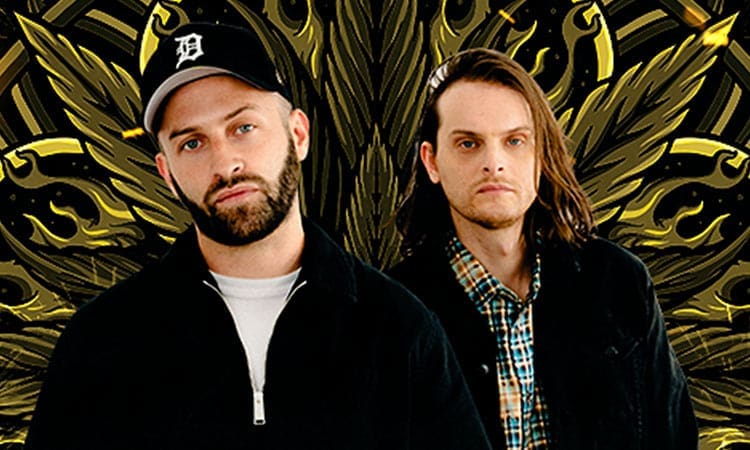
Dylan Mamid
Dylan Mamid was born October 5, 1987, in Toronto, Ontario, Canada. Raised in a musically supportive environment, Mamid developed an early fascination with rhythm and technology. His upbringing exposed him to a wide spectrum of music—from hip-hop and funk to classic rock—instilling an appreciation for groove-driven composition.
Zachary Rapp-Rovan
Zachary Rapp-Rovan was born June 7, 1988, also in Toronto, Ontario. Like Mamid, he grew up immersed in diverse musical influences. His curiosity about production and sampling began during his teenage years, when digital music software became increasingly accessible.
Formative Friendship
The two met as teenagers in Toronto’s creative youth circles. Their friendship was grounded in shared passions for hip-hop culture, DJing, and beat production. Long before forming Zeds Dead, they collaborated under different musical aliases while experimenting with early production tools.
Toronto’s underground music scene—an eclectic mix of hip-hop, electronic experimentation, and multicultural influences—provided fertile ground for their artistic development.
Education and Musical Foundations
Both Mamid and Rapp-Rovan pursued higher education at York University in Toronto, where they studied business and media-related disciplines while continuing their exploration of music production.
While their academic programs provided structural knowledge about the entertainment industry, their real education occurred in studios, bedrooms, and nightclubs. They spent countless hours experimenting with sampling, beat construction, and DJ mixing techniques.
During this time they also produced hip-hop instrumentals, collaborating with local rappers and underground artists. These early experiences sharpened their rhythmic sensibilities and production discipline.
The Birth of Zeds Dead
The duo officially formed Zeds Dead in 2009. The name itself carries an iconic cultural reference: it is inspired by a memorable line from the 1994 film Pulp Fiction, in which the character Butch Coolidge remarks, “Zed’s dead, baby.”
The phrase resonated with the duo as a symbol of rebellious creativity and underground culture.
Around the same time, the global rise of dubstep—led by artists such as Skrillex and Skream—was transforming electronic music. Mamid and Rapp-Rovan began integrating dubstep’s heavy basslines with hip-hop rhythms and cinematic atmospheres.
Their earliest releases circulated widely through online communities, quickly gaining traction among DJs and bass music enthusiasts.
Breakthrough and International Recognition
Zeds Dead’s breakthrough came in 2010–2012, when their remix work and original tracks began spreading through the global electronic music underground.
Key releases included:
- “Eyes on Fire (Zeds Dead Remix)”
- “Rude Boy”
- “White Satin”
Their remix of “Eyes on Fire,” originally by Blue Foundation, became a defining moment in early North American dubstep. The track’s dark, atmospheric production and thunderous bass established the duo’s reputation for cinematic intensity.
Soon afterward they launched the influential “Living Dead” EP series, which showcased their evolving sound and helped build a dedicated fanbase.
By the mid-2010s, Zeds Dead had become fixtures on the international festival circuit.
Musical Style and Influences
One of the defining qualities of Zeds Dead’s artistry is their refusal to remain confined to a single genre. Their discography reflects influences drawn from a wide range of musical traditions.
Key Influences
- The Prodigy – electronic aggression and rave energy
- Massive Attack – atmospheric trip-hop textures
- Dr. Dre – hip-hop production precision
Their music frequently combines:
- dubstep bass design
- hip-hop rhythms
- drum and bass tempos
- melodic electronic atmospheres
This versatility has allowed them to remain relevant in a genre where trends evolve rapidly.
Albums and Major Projects
Studio Albums
| Year | Album | Description |
|---|---|---|
| 2016 | Northern Lights | Debut album exploring bass music, house, and hip-hop |
| 2021 | Catch the Sunset | A melodic and introspective electronic album |
Their debut album Northern Lights represented a major artistic milestone. Featuring collaborations with vocalists and producers across genres, the album highlighted the duo’s ability to craft emotionally resonant electronic music.
Collaborations and Production Work
Zeds Dead have collaborated with an impressive range of artists.
Notable collaborators include:
- Oliver Heldens
- Diplo
- NGHTMRE
- Illenium
- Jauz
Their collaborative work often merges contrasting styles, creating hybrid sounds that push the boundaries of EDM.
Record Label and Industry Leadership
In 2016, the duo launched their own record label, Deadbeats.
The label quickly became an influential platform for emerging bass music artists and experimental electronic producers. Through Deadbeats, Zeds Dead has supported dozens of rising musicians while curating releases that expand the sonic possibilities of bass music.
They also developed Deadbeats Radio, a program that highlights new electronic music from across the globe.
Festival Performances and Touring
Zeds Dead are among the most recognizable performers on the global festival circuit.
Their performances have appeared at:
- Electric Daisy Carnival
- Ultra Music Festival
- Tomorrowland
Their live shows are celebrated for dramatic visual production and genre-spanning DJ sets that move seamlessly between dubstep, drum and bass, house, and hip-hop.
Creative Philosophy and Public Perspective
In interviews, Mamid and Rapp-Rovan have emphasized that their goal has never been to chase trends. Instead, they aim to create music that reflects their evolving interests.
They have described their approach as “genre-agnostic storytelling through sound.”
This philosophy explains why their discography shifts fluidly between styles—yet maintains a recognizable identity.
Challenges and Industry Pressures
Maintaining relevance in electronic music can be difficult, particularly in genres that evolve rapidly. Zeds Dead has navigated several challenges throughout their career:
- shifts in EDM popularity cycles
- the demanding nature of international touring
- maintaining artistic independence while running a label
Rather than chasing fleeting trends, the duo has responded by expanding their sonic palette, exploring new genres and collaborations.
Public Personal Life
Despite their fame, both Mamid and Rapp-Rovan maintain relatively private personal lives. They rarely focus public attention on their private relationships, preferring to emphasize music and artistic projects.
What is clear from interviews is their strong commitment to creative independence and community building. Their work through the Deadbeats label demonstrates a desire to nurture new talent within electronic music.
They have also expressed admiration for music cultures around the world, acknowledging how global dance communities influence their work.
Selected Discography
Studio Albums
- Northern Lights (2016)
- Catch the Sunset (2021)
Selected Singles
- “Eyes on Fire (Remix)”
- “Collapse”
- “Blame”
- “Adrenaline”
- “Lost You”
- “Lights Out”
- “Alive”
Awards and Recognition
| Year | Award | Category |
|---|---|---|
| 2012 | Canadian Electronic Music Awards | Best Dubstep Artist |
| 2016 | Electronic Music Awards | Album of the Year Nominee |
| 2018 | International Dance Music Awards | Best Bass Music Track Nominee |
| 2020 | DJ Mag Recognition | Top Electronic Acts |
Beyond formal awards, Zeds Dead’s influence is widely acknowledged among producers and DJs who credit the duo with helping popularize bass music across North America.
Legacy and Cultural Impact
Zeds Dead occupies a crucial place in the evolution of electronic dance music during the 2010s and 2020s.
Their impact can be understood in several key ways:
- Popularizing bass-driven electronic music in North America
- Blending hip-hop and EDM production techniques
- Mentoring emerging artists through the Deadbeats label
- Demonstrating the creative potential of genre-fluid electronic music
For fans and producers alike, Zeds Dead represents a model of artistic longevity in a fast-changing musical landscape.
From underground DJs in Toronto to internationally respected producers, Dylan Mamid and Zachary Rapp-Rovan have crafted a remarkable artistic journey. As Zeds Dead, they have shaped the modern sound of bass music while building an ecosystem that supports new voices in electronic production.


