

The Soulful Originator Bridging House and Techno
Early Life and Detroit Foundations
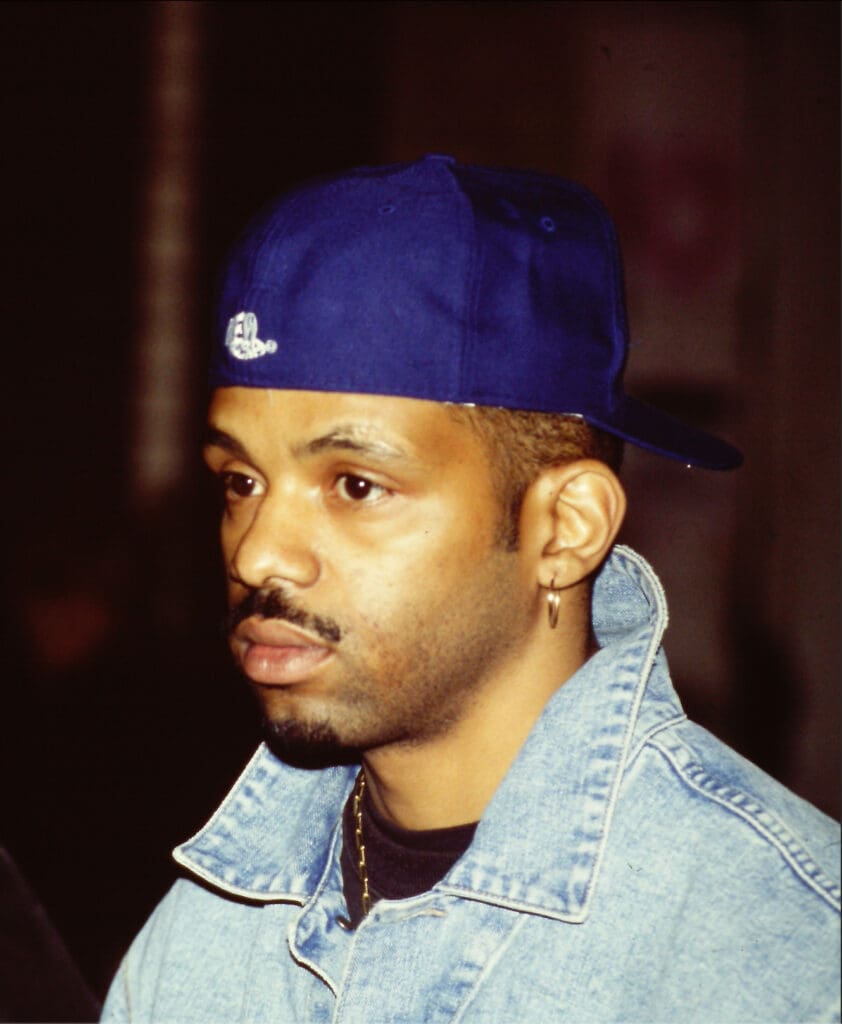
Eddie Fowlkes, widely known as Eddie “Flashin” Fowlkes, was born in 1962 in Detroit, a city whose industrial grit and musical innovation would become inseparable from his artistic identity. Growing up in Detroit during a period of profound cultural transformation, Fowlkes was immersed in a rich musical environment shaped by soul, funk, disco, and early electronic experimentation.
Details of his immediate family life remain largely private, yet his upbringing in Detroit’s vibrant African American community exposed him to the sounds of Motown, whose polished soul productions left an enduring imprint on his musical sensibility. This early exposure instilled in him a deep appreciation for groove, melody, and emotional expression—qualities that would later distinguish his work within the techno movement.
Fowlkes attended local schools in Detroit, but like many pioneers of electronic music, his true education unfolded outside formal institutions. Record shops, radio stations, and dance floors became his classrooms, where he absorbed the evolving language of rhythm and sound.
The Electrifying Beginnings: From DJ to Innovator
Eddie Fowlkes earned the nickname “Flashin” during his teenage years, a reference to his fast and dynamic DJing style. By the late 1970s and early 1980s, he had become a fixture in Detroit’s underground party scene, captivating audiences with his ability to blend genres seamlessly.
A pivotal moment in his early career came through his association with Derrick May, one of the central figures in the birth of techno. Fowlkes is often cited as a mentor to May, highlighting his early influence within the Detroit electronic community.
As the city’s sound began to shift toward electronic production, Fowlkes transitioned from DJing to creating his own music. This move positioned him at the forefront of a new musical revolution—one that would soon be known worldwide as Detroit techno.
Defining a Sound: Techno with Soul
While many early techno producers leaned into futuristic and mechanical aesthetics, Eddie Fowlkes carved out a distinctive niche by infusing techno with soulful warmth and groove. His music became a bridge between Chicago house and Detroit techno, blending the rhythmic intensity of one with the emotional depth of the other.
His productions are characterized by:
- Funk-infused basslines
- Smooth, melodic elements
- Dancefloor-driven rhythms
- A humanized, expressive quality often absent in early techno
This hybrid approach led many to regard him as a pioneer of what would later be described as “techno soul.”
Breakthrough Releases and Career Milestones
Fowlkes’ breakthrough came in the mid-1980s with tracks such as “Goodbye Kiss” (1986), widely considered one of the earliest techno records. The track’s infectious groove and melodic sensibility distinguished it from the more austere productions of his contemporaries.
Throughout the late 1980s and 1990s, he released a steady stream of influential tracks and EPs, gaining recognition both in the United States and internationally. His work resonated particularly strongly in Europe, where audiences embraced Detroit techno as a cultural movement.
Fowlkes also founded his own label, City Boy Records, providing a platform for his music and reinforcing his independence as an artist.
Musical Influences and Creative Philosophy
Eddie Fowlkes’ music reflects a wide array of influences, including:
- Motown soul and funk traditions
- Disco and early dance music
- The emerging techno sounds of Detroit
- Chicago house pioneers
Unlike some of his peers, Fowlkes has consistently emphasized the importance of feeling and groove over technical complexity. In interviews, he has described his approach as intuitive, guided by the desire to make people dance while also connecting emotionally.
His work embodies a belief that electronic music should not lose its human essence, even when driven by machines.
Collaborations and Industry Contributions
Although primarily known for his solo work, Fowlkes has played a significant role within the broader Detroit techno ecosystem. His early mentorship of Derrick May and interactions with figures like Juan Atkins and Kevin Saunderson place him firmly within the first generation of techno innovators.
He has also contributed to remix culture and DJ performances, helping to disseminate Detroit’s sound globally. His influence can be heard in artists who seek to blend technical precision with emotional resonance.
Challenges and Recognition
Despite his pioneering role, Eddie Fowlkes has often been described as an underrated figure in the history of techno. Like many early innovators, he faced challenges related to recognition and commercial visibility, particularly as the genre expanded internationally.
The commercialization of electronic music in later decades sometimes overshadowed the contributions of foundational artists like Fowlkes. However, within the industry and among dedicated fans, his influence is deeply respected.
He has largely avoided public controversies, maintaining a focus on his music and artistic principles.
Personal Life and Cultural Identity
Eddie Fowlkes has remained relatively private about his personal life, choosing to let his music speak for itself. His identity as a Detroiter is central to his work, reflecting the city’s resilience, creativity, and cultural richness.
His music often conveys a sense of joy and celebration, suggesting a worldview rooted in positivity and connection. While he has not publicly aligned himself with specific spiritual ideologies, his emphasis on groove and emotional expression hints at a deeply intuitive and human-centered artistic philosophy.
Recent Activities and Continuing Influence (2020s–2026)
In recent years, Fowlkes has continued to perform and release music, maintaining an active presence in the global electronic scene. His work remains particularly influential in Europe and Japan, where appreciation for Detroit techno’s origins remains strong.
He has also participated in retrospectives and events celebrating the history of techno, helping to educate new generations about the genre’s roots.
Legacy: The Bridge Between Worlds
Eddie “Flashin” Fowlkes occupies a unique place in electronic music history. As one of the earliest Detroit techno artists, he helped shape a genre that would transform global music culture. Yet his true distinction lies in his ability to bridge worlds—connecting house and techno, machine and soul, rhythm and emotion.
His legacy includes:
- Pioneering early Detroit techno
- Introducing soulful elements into electronic music
- Mentoring and influencing key figures in the genre
- Preserving the human essence of dance music
For newcomers to EDM, Fowlkes offers a powerful reminder that electronic music is not merely about technology—it is about feeling, connection, and movement.
Selected Discography
| Year | Title | Type |
|---|---|---|
| 1986 | Goodbye Kiss | Single |
| Late 1980s | Various releases | Singles & EPs |
| 1990s | Multiple projects | Releases |
| 2000s–2020s | Continued output | Singles & DJ sets |
Awards and Recognition
| Category | Recognition |
|---|---|
| Pioneer Status | Early architect of Detroit techno |
| Cultural Influence | Key figure in blending house and techno |
| Industry Respect | Revered by DJs, producers, and historians |
Eddie “Flashin” Fowlkes may not always occupy the spotlight, but his contributions illuminate the foundations of electronic music. His work reminds us that behind every machine beat lies a human pulse—a rhythm shaped by history, culture, and emotion.


