

The Genre-Bending Visionary Expanding the Frontiers of Afro-Fusion and Alternative African Music
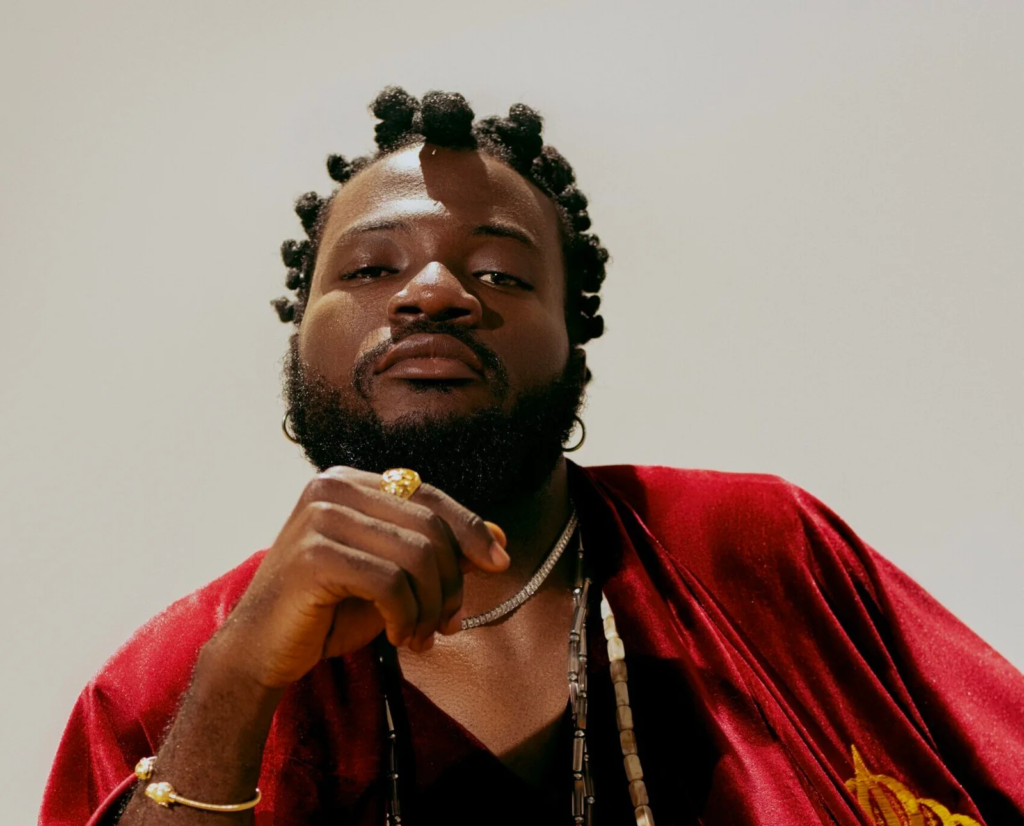
Early Life and Background
Dotti The Deity was born in Nigeria, where he spent his formative years immersed in a culturally dynamic environment that profoundly influenced his artistic development. While he has remained relatively private regarding certain personal details — including aspects of his family life, exact birth date, and early domestic background — his music and public persona reflect strong roots in contemporary Nigerian youth culture.
Growing up during a transformative period for African music, Dotti The Deity witnessed the global rise of Afrobeats alongside the increasing influence of internet culture, streaming platforms, and transnational musical exchange.
This environment shaped his worldview significantly.
Unlike earlier generations of African musicians who often operated within more rigid genre frameworks, Dotti emerged during an era when young artists were increasingly exposed to:
- African pop music
- American hip-hop and R&B
- Caribbean dancehall
- alternative electronic music
- internet subcultures
- fashion-driven creative movements
This cultural hybridity would later become one of the defining features of his artistry.
Education and Creative Formation
Dotti The Deity pursued formal education while gradually nurturing his passion for music and artistic expression.
During his formative years, he became increasingly drawn to songwriting, vocal experimentation, visual aesthetics, and digital creativity. Music reportedly evolved from a personal interest into a deeper emotional and philosophical outlet.
Like many artists of his generation, he was heavily influenced by:
- social media culture
- streaming-era music discovery
- independent artistry
- online creative communities
- visual branding and fashion culture
Importantly, Dotti The Deity’s artistic identity developed not only through music, but through an integrated understanding of image, storytelling, mood, and emotional presentation.
This multidimensional approach would later distinguish him within Nigeria’s expanding Afro-fusion movement.
Musical Influences and Artistic Identity
Dotti The Deity’s sound reflects an expansive range of influences spanning African, Caribbean, and Western musical traditions.
Among the African artists who shaped his musical outlook are:
- Wizkid
- Burna Boy
- Omah Lay
- Tems
International influences include:
- Drake
- Kid Cudi
- The Weeknd
- Travis Scott
His music blends:
- Afro-fusion
- alternative R&B
- melodic rap
- dancehall
- ambient pop textures
- experimental Afrobeats
Artistically, Dotti The Deity is known for:
- emotionally expressive songwriting
- atmospheric production choices
- genre fluidity
- moody sonic landscapes
- introspective lyrical themes
Recurring themes in his music include:
- emotional vulnerability
- ambition and self-belief
- romantic tension
- internal conflict
- spirituality and self-discovery
- psychological complexity
Rather than emphasizing purely celebratory party music, Dotti often approaches songwriting as emotional storytelling.
The Emergence of an Alternative Afro-Fusion Voice
Dotti The Deity first gained attention through independently released music and online circulation within Nigeria’s growing alternative music community.
Unlike artists propelled immediately by major-label infrastructure, his rise reflected the increasingly decentralized nature of African music discovery in the streaming era.
Listeners were drawn to:
- his distinct sonic identity
- emotionally layered writing
- visual sophistication
- experimental production aesthetics
- refusal to conform rigidly to genre expectations
This gradual organic rise positioned him among the wave of artists helping redefine Afrobeats beyond commercial formulas.
Importantly, Dotti The Deity became associated with a broader movement of African creatives prioritizing:
- authenticity
- emotional honesty
- artistic experimentation
- alternative aesthetics
- cultural hybridity
Musical Projects and Artistic Evolution
As his profile expanded, Dotti The Deity released a series of songs and projects that showcased increasing artistic confidence and sonic sophistication.
His catalog reflects an artist deeply interested in atmosphere and emotional immersion rather than merely producing commercially functional singles.
His music often balances:
- rhythmic African percussion
- ambient melodic structures
- emotionally restrained vocals
- introspective lyrical storytelling
- alternative production textures
This approach helped him stand out within Nigeria’s crowded music ecosystem.
Critics and listeners increasingly viewed Dotti The Deity not simply as another Afrobeats artist, but as part of a new generation constructing entirely new sonic identities for African music.
Songwriting and Emotional Philosophy
One of Dotti The Deity’s defining strengths lies in emotional transparency.
Historically, mainstream African pop frequently prioritized themes such as:
- celebration
- nightlife
- luxury
- dance culture
- romantic bravado
While Dotti occasionally engages these themes, his music often delves deeper into:
- loneliness
- emotional conflict
- identity struggles
- vulnerability
- mental and emotional fatigue
- spiritual searching
This emotional complexity resonates particularly strongly with younger listeners navigating contemporary urban realities.
His songwriting style often feels conversational and psychologically reflective rather than performative or exaggerated.
In this sense, Dotti The Deity belongs to a broader global movement of artists using music as emotional exploration rather than simple entertainment.
Collaborations and Industry Relationships
As his recognition increased, Dotti The Deity collaborated with emerging artists, producers, and creatives within Nigeria’s Afro-fusion and alternative music communities.
These collaborations helped position him within a wider ecosystem of artists reshaping African music culture through:
- experimentation
- emotional vulnerability
- visual innovation
- genre hybridity
His collaborative work frequently emphasized mood, melody, and atmospheric cohesion rather than purely commercial formulas.
This artistic consistency strengthened his reputation among listeners seeking more emotionally nuanced African music.
Public Persona and Creative Identity
Dotti The Deity’s public image reflects artistic introspection, individuality, and creative sophistication.
Unlike artists who cultivate controversy or excessive celebrity theatrics, he projects:
- emotional intelligence
- aesthetic awareness
- quiet confidence
- philosophical introspection
- artistic independence
Fashion and visual presentation also play important roles in his identity. Like many modern Afro-fusion artists, he understands music as part of a larger cultural ecosystem involving:
- style
- mood
- visual storytelling
- internet identity
- emotional branding
This multidimensional creativity has helped him build a dedicated and culturally engaged audience.
Challenges and Industry Pressures
Operating as an alternative artist within Nigeria’s highly competitive music industry presents significant challenges.
These include:
- pressure to conform to commercial expectations
- maintaining individuality within trend-driven ecosystems
- competition for digital visibility
- sustaining artistic experimentation while growing mainstream appeal
- balancing vulnerability with public perception
Additionally, artists who prioritize emotional depth over commercial predictability often face slower but more deliberate career trajectories.
However, Dotti The Deity has remained committed to artistic authenticity, even while navigating an industry heavily influenced by virality and streaming metrics.
Recent Activities and Expanding Influence
By 2025 and 2026, Dotti The Deity had become increasingly recognized within Nigeria’s expanding Afro-fusion and alternative music scenes.
His music continued reaching broader audiences through:
- streaming platforms
- social media communities
- Afro-fusion playlists
- alternative African music spaces
- diaspora listeners worldwide
As global audiences increasingly sought emotionally nuanced African music beyond stereotypical expectations, artists like Dotti The Deity became increasingly important cultural figures.
Industry observers frequently identified him as part of the next creative wave likely to shape the future evolution of Afro-fusion and alternative African music.
Discography Overview
| Year | Project | Type |
|---|---|---|
| Early Career | Independent Releases | Singles |
| 2023 | Expanded Afro-Fusion Releases | Singles |
| 2024 | Collaborative & Alternative Releases | Singles/Projects |
| 2025 | Continued Experimental Releases | Singles |
Notable Musical Themes
- Emotional vulnerability
- Afro-fusion experimentation
- Alternative African identity
- Spiritual introspection
- Romantic complexity
- Youth experience and ambition
Awards and Recognition
| Year | Recognition | Organization |
|---|---|---|
| 2024 | Emerging Alternative Artist Recognition | Nigerian entertainment media |
| 2025 | Afro-Fusion Rising Talent Recognition | African music publications |
| 2025 | Streaming Playlist Recognition | Major DSP platforms |
Though still in the early stages of his broader mainstream journey, Dotti The Deity is increasingly viewed as one of the most creatively promising artists within Africa’s alternative music movement.
Cultural Impact and Lasting Legacy
Dotti The Deity’s significance lies not merely in commercial success, but in what his artistry represents culturally.
He belongs to a generation transforming African music into something:
- emotionally introspective
- sonically adventurous
- globally adaptable
- psychologically nuanced
- aesthetically sophisticated
His work demonstrates that African music can simultaneously be:
- rhythmically infectious
- emotionally vulnerable
- artistically experimental
- culturally influential
- internationally resonant
For global audiences discovering African music beyond simplified stereotypes, Dotti The Deity offers a deeper understanding of the continent’s creative evolution.


