

The Fearless Voice of a New Francophone African Generation
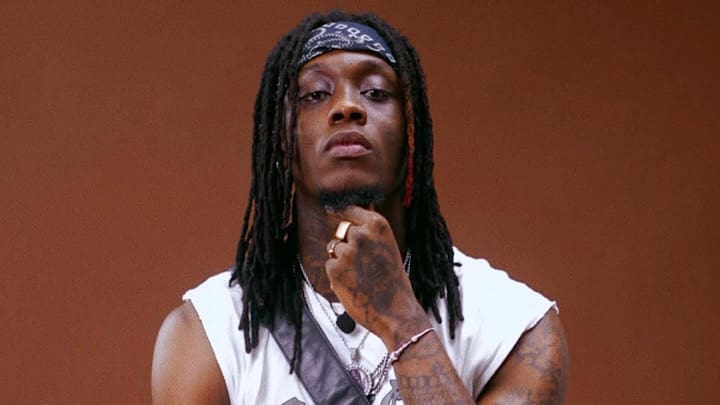
Early Life and Background
Himra was born and raised in Côte d’Ivoire, also widely known internationally as Ivory Coast. While many details regarding his exact birth name, birth date, and certain aspects of his family life have remained relatively private, his artistic identity has become deeply connected to the realities of urban Ivorian youth culture.
Growing up in Côte d’Ivoire exposed Himra to a society rich in musical diversity. The country’s cultural environment has long been shaped by:
- coupé-décalé,
- zouglou,
- reggae,
- hip-hop,
- dancehall,
- and contemporary Afro-pop.
This dynamic atmosphere profoundly influenced his artistic outlook. From an early age, Himra became immersed in both African and international music, absorbing the sounds of Francophone rap, American hip-hop, Afrobeat, trap music, and electronic production styles circulating through digital platforms and youth communities.
His formative years unfolded during a period when African youth culture was increasingly shaped by social media, streaming platforms, and globalized music consumption. This environment allowed young artists like Himra to bypass older gatekeeping systems and cultivate audiences directly.
Though publicly available information regarding his formal education remains limited, Himra’s artistic development reflects the self-driven learning culture common among many contemporary African musicians, where creativity evolves through experimentation, collaboration, and online cultural exchange.
The Emergence of an Artist
Himra first began attracting attention through his uncompromising lyrical approach and emotionally resonant performances. Unlike artists focused solely on commercial entertainment, he cultivated a reputation for authenticity and emotional directness.
His early music resonated strongly with younger audiences who recognized elements of their own realities in his lyrics:
- struggle,
- ambition,
- frustration,
- emotional vulnerability,
- resilience,
- and survival.
Musically, his sound drew heavily from:
- trap,
- drill,
- modern African rap,
- electronic bass production,
- and atmospheric digital instrumentation.
This blend allowed Himra to stand out within the increasingly crowded African urban music scene.
As his fanbase expanded online, his releases began circulating widely across Francophone Africa, where listeners embraced both his intensity and artistic honesty.
Musical Style and Artistic Identity
One of the defining characteristics of Himra’s artistry is emotional intensity.
His music frequently combines:
- aggressive rhythmic delivery,
- introspective lyricism,
- haunting melodies,
- electronic textures,
- and cinematic production.
His style reflects the influence of modern global urban music movements while remaining grounded in Ivorian identity and Francophone expression.
Unlike purely commercial pop artists, Himra often explores darker emotional territory:
- internal conflict,
- psychological pressure,
- social alienation,
- ambition,
- loyalty,
- betrayal,
- and personal transformation.
This emotional complexity has made him especially popular among younger listeners navigating similarly uncertain social and economic realities.
Sonically, his work incorporates many elements associated with modern EDM-adjacent production:
- layered synthesizers,
- atmospheric pads,
- heavy bass structures,
- distorted percussion,
- and digitally manipulated vocal textures.
These electronic influences help create the immersive mood that defines much of his music.
Career Growth and Breakthrough Recognition
Himra’s rise was fueled by consistency, digital visibility, and strong audience connection rather than traditional industry machinery.
As streaming culture expanded throughout Africa, his music found growing audiences on:
- YouTube,
- TikTok,
- streaming platforms,
- and social media networks.
His songs increasingly circulated among African youth communities that valued emotionally authentic and sonically modern music.
Several releases helped solidify his reputation as:
- a fearless lyricist,
- a distinctive performer,
- and a leading voice of Francophone urban music.
His growing recognition also reflected broader changes within African music industries, where internet-driven fan communities began shaping careers more powerfully than traditional radio structures.
Influences and Creative Inspiration
Himra’s musical influences appear highly diverse.
His work reflects inspiration from:
- African street music culture,
- Francophone rap traditions,
- American trap music,
- drill production,
- electronic club music,
- and emotionally expressive hip-hop.
Like many contemporary African artists, he belongs to a generation raised simultaneously on local rhythms and global digital culture.
This dual influence helped shape his unique artistic perspective:
deeply African in identity, yet internationally fluent in sound.
His music often carries a cinematic quality, suggesting inspiration not only from music but also from visual storytelling, fashion culture, and internet-era aesthetics.
Connection to Youth Culture
One reason for Himra’s growing influence is his strong connection to contemporary African youth identity.
He represents:
- ambition amid uncertainty,
- emotional transparency,
- creative independence,
- and resistance to limitation.
For many listeners, particularly in Francophone Africa, Himra’s music reflects the realities of a generation navigating:
- economic instability,
- rapid digital transformation,
- evolving cultural norms,
- and global cultural exposure.
His authenticity has become central to his appeal.
Collaborations and Artistic Networks
Throughout his career, Himra has collaborated with fellow African artists, producers, and creatives operating within contemporary urban music culture.
These collaborations have helped expand his artistic range across:
- rap,
- Afro-fusion,
- electronic-influenced production,
- and experimental youth music movements.
The collaborative nature of African music scenes has also positioned Himra within a larger network of emerging artists redefining modern African sound.
Challenges and Controversies
Like many outspoken young artists, Himra has encountered challenges connected to public scrutiny, industry pressure, and the emotional intensity of his artistic persona.
Artists whose work emphasizes emotional honesty and realism often face criticism for confronting difficult subjects too directly. Himra’s unapologetic style has occasionally generated debate among listeners who view his music as confrontational or emotionally raw.
Additionally, navigating fame within the social media era presents unique pressures:
- constant visibility,
- audience expectations,
- online criticism,
- and the challenge of maintaining authenticity under public attention.
Despite these obstacles, Himra has continued evolving artistically while preserving the emotional core that first attracted audiences.
Public Persona and Philosophy
Himra’s public image combines vulnerability with defiance.
Unlike heavily manufactured celebrity personas, his identity feels closely tied to lived experience and emotional expression. Interviews and public appearances often reveal an artist deeply aware of the psychological dimensions of modern youth life.
His music suggests a philosophy rooted in:
- resilience,
- self-expression,
- ambition,
- and emotional truth.
This sincerity has contributed significantly to his growing cultural impact.
Recent Activities and Continuing Evolution
As of 2026, Himra continues building momentum through:
- new releases,
- live performances,
- digital audience engagement,
- and artistic experimentation.
His recent work reflects increasing maturity both lyrically and sonically. Production quality has evolved toward more immersive, cinematic sound design while maintaining the emotional urgency that defines his music.
Observers of African music increasingly view Himra as part of a broader wave of artists reshaping Francophone African music for a global era.
Selected Discography
Notable Singles and Releases
| Title | Type | Notes |
|---|---|---|
| Various Viral Singles | Singles | Helped establish online popularity |
| Collaborative Urban Releases | Collaborations | Expanded reach across African youth culture |
| Experimental Trap/Drill Tracks | Singles | Defined his signature emotional style |
Musical Characteristics
| Element | Description |
|---|---|
| Genres | Rap, trap, drill, Afro-fusion, electronic urban music |
| Vocal Style | Intense, emotional, rhythmically aggressive |
| Production | Bass-heavy, atmospheric, digitally immersive |
| Themes | Struggle, ambition, emotional survival, youth identity |
| Audience Appeal | Strong connection with younger African listeners |
Awards and Recognition
While Himra remains early in what many expect to be a long and influential career, his growing cultural impact has already generated significant recognition.
| Recognition | Importance |
|---|---|
| Rising Francophone African Artist | Increasing continental recognition |
| Viral Streaming Success | Expanded international visibility |
| Youth Culture Influence | Strong resonance among younger audiences |
| Digital Music Growth | Built audience through online platforms |
Contribution to African Music and Culture
Himra’s significance extends beyond music alone.
He belongs to a generation redefining what African urban music can represent internationally:
- emotionally layered,
- technologically modern,
- visually sophisticated,
- and culturally fearless.
His work contributes to the broader transformation of African music from a regionally categorized industry into a globally influential creative ecosystem.
By blending African identity with contemporary electronic production aesthetics, Himra participates in a larger cultural movement where African artists are no longer adapting to global trends — they are actively shaping them.
Legacy and Future Potential
Though still relatively early in his artistic journey, Himra has already established himself as one of the notable emerging voices in Francophone African urban music.
His legacy may ultimately rest on:
- emotional authenticity,
- fearless experimentation,
- and cultural representation.
For international audiences unfamiliar with Africa’s rapidly evolving electronic and urban music scenes, Himra offers an important reminder: the future of global music innovation is increasingly being written by young African artists unafraid to merge local experience with global sonic imagination.


