

The Fearless Voice Reimagining African Alternative Music
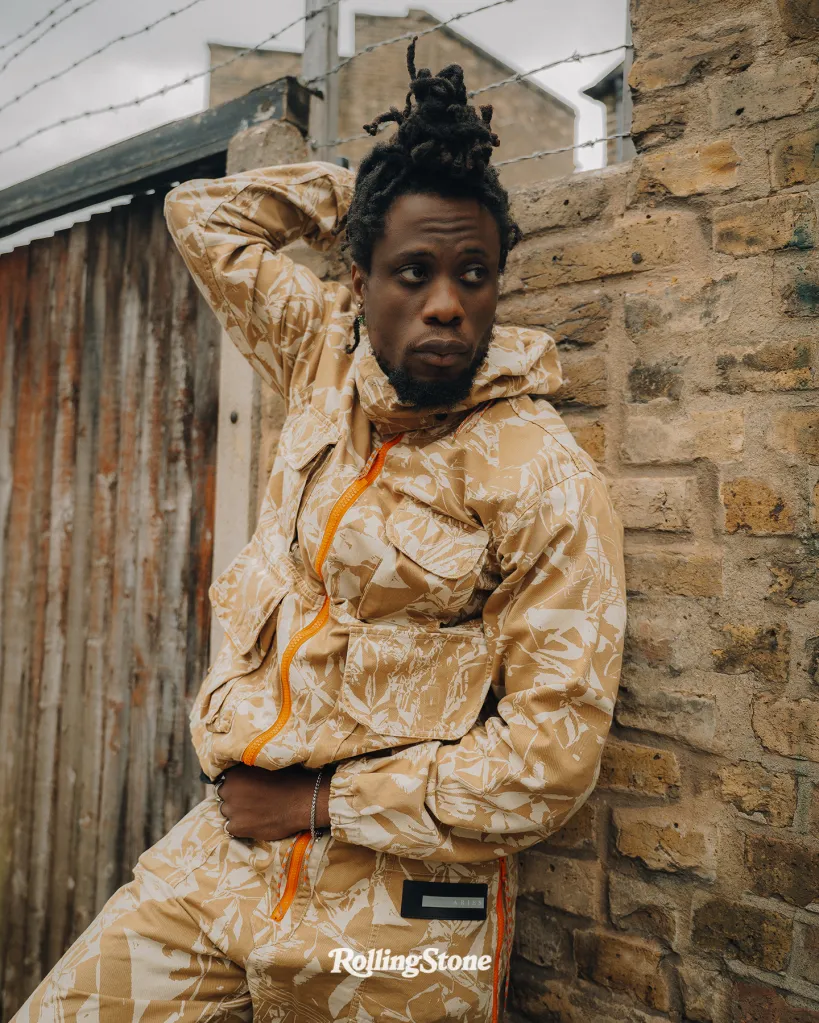
Early Life and Background
Obongjayar was born Steven Umoh in Calabar, Cross River State, Nigeria, in the early 1990s. He spent much of his childhood in the city of Calabar, a culturally rich region known for its deep artistic traditions, vibrant festivals, and historical significance within southern Nigeria.
Raised primarily by his grandmother during parts of his youth, Umoh experienced a childhood shaped by discipline, spirituality, and the complex realities of Nigerian society. Religion played a significant role in his upbringing, especially Christianity, which would later become an important thematic reference point in his music. Church music, gospel singing, and communal worship introduced him to emotional performance at an early age.
As a child, he reportedly listened to a wide variety of music.
Nigerian legends such as Fela Kuti, Lucky Dube, and American hip-hop artists influenced his developing artistic instincts. At the same time, he absorbed the oral storytelling traditions deeply rooted in southern Nigerian culture.
During his teenage years, he relocated to the United Kingdom to join his mother. The move dramatically altered the trajectory of his life. Transitioning from Nigeria to Britain exposed him to new cultures, racial realities, sounds, and artistic possibilities. The emotional dislocation of migration would later become one of the defining emotional undercurrents of his songwriting.
Education and Artistic Formation
After relocating to the United Kingdom, Obongjayar settled in England and continued his education there. Although he has remained relatively private about certain academic details, his years in Britain were transformative intellectually and artistically.
Living in the UK exposed him to London’s vibrant underground music ecosystem—a world filled with grime, punk, jazz experimentation, spoken word poetry, electronic music, and immigrant cultural fusion. Rather than pursuing conventional pop formulas, he gravitated toward unconventional creativity.
Before fully embracing music professionally, Obongjayar reportedly explored visual art and other creative disciplines. His multidisciplinary instincts became evident in the theatricality of his performances, his visual aesthetics, and his emotionally layered songwriting.
Unlike many commercially engineered pop stars, Obongjayar developed organically through experimentation, collaboration, and artistic risk-taking.
The Origin of the Name “Obongjayar”
The stage name “Obongjayar” carries cultural significance. “Obong” is associated with royalty or leadership in parts of southern Nigeria, while “Jayar” reportedly emerged from a personal nickname or adaptation. The name reflects his connection to heritage while simultaneously sounding futuristic and distinctive—much like his music itself.
The adoption of a singular artistic identity helped separate Steven Umoh the individual from Obongjayar the boundary-pushing performer.
The Musical Awakening
Obongjayar’s journey into music began seriously during his years in the United Kingdom. Initially experimenting with rap and spoken word, he eventually discovered that singing allowed him greater emotional freedom.
His early recordings stood apart from mainstream Afro-pop trends dominating African music during the 2010s. Rather than focusing solely on dancefloor anthems, Obongjayar explored existential questions, emotional pain, social commentary, and sonic experimentation.
His breakthrough came through underground recognition and collaborations with progressive British and African artists who recognized his originality.
Early Projects and Breakthrough Recognition
The music often fused:
- Afrobeat rhythms
- Experimental electronic textures
- Spoken word
- Soul influences
- Alternative hip-hop
- Traditional African percussive ideas
Critics praised his willingness to sound vulnerable, politically aware, and spiritually conflicted all at once.
Songs from these projects explored:
- Alienation
- Colonial history
- Migration
- Loneliness
- Masculinity
- Religion
- Black identity
His unconventional approach quickly earned admiration within Britain’s alternative music circles.
Collaboration with Damon Albarn and Global Exposure
One of the defining moments of Obongjayar’s rise came through his association with Damon Albarn, the influential musician behind Gorillaz and Blur.
Albarn became an admirer of Obongjayar’s artistry, leading to collaborations that significantly expanded his international visibility. Obongjayar contributed vocals to projects connected to Albarn and appeared in artistic spaces frequented by genre-defying musicians.
The association signaled to many industry observers that Obongjayar was not simply another Afro-fusion singer, but an artist capable of reshaping global alternative music conversations.
“God’s Own Children” and Political Consciousness
One of Obongjayar’s most powerful moments came through the song “God’s Own Children,” a politically charged collaboration with Little Simz.
The song addressed:
- Corruption
- Government failure
- Social injustice
- African political instability
- Economic frustration
Rather than offering simplistic protest music, Obongjayar approached political commentary with emotional nuance and poetic depth. His music consistently balances anger with humanity.
This ability to merge political critique with personal storytelling became one of his defining artistic signatures.
Debut Album: “Some Nights I Dream of Doors”
The album represented the culmination of years of artistic experimentation and personal growth. It received widespread critical acclaim for its emotional honesty, sonic innovation, and genre-defying production.
The album explored themes such as:
- Homesickness
- Identity fragmentation
- Love
- Spiritual searching
- Fear
- Emotional healing
- Migration trauma
Tracks like:
- “Try”
- “Message in a Hammer”
- “Sugar”
- “Tinko Tinko”
- “New Man”
showcased his remarkable range as both a vocalist and songwriter.
Critics praised the album’s refusal to conform to industry expectations. Rather than chasing commercial Afrobeats formulas, Obongjayar created a deeply personal body of work that sounded simultaneously African, British, futuristic, and timeless.
The album elevated him from underground favorite to internationally respected artist.
Musical Style and Influences
Obongjayar’s music is notoriously difficult to categorize. His sound incorporates elements of:
- Afrobeat
- Afro-fusion
- Soul
- Spoken word
- Punk
- Electronic music
- Jazz
- Hip-hop
- Experimental pop
- Funk
- Alternative R&B
Major influences on his artistry include:
- Fela Kuti
- Nina Simone
- Kanye West
- Frank Ocean
- Burning Spear
- Punk and post-punk traditions
- African oral storytelling culture
What distinguishes Obongjayar is not merely his influences, but how unpredictably he combines them. His vocals can shift from whispers to screams, from melodic singing to rhythmic chanting within the same song.
His work often prioritizes emotional truth over commercial polish.
Lyrical Themes and Artistic Philosophy
Obongjayar’s songwriting is intensely introspective and philosophical. Recurring themes in his music include:
Identity and Migration
As a Nigerian living in Britain, questions of belonging frequently appear in his work. He explores the psychological tension between homeland and diaspora.
Spirituality
Religious imagery appears throughout his music. However, his relationship with faith is often questioning rather than doctrinal.
Masculinity and Vulnerability
Unlike traditional hyper-masculine archetypes in parts of popular music, Obongjayar openly embraces emotional complexity and vulnerability.
Political Anger
His music frequently critiques systemic injustice, corruption, racism, and inequality.
Freedom and Self-Discovery
Many songs revolve around liberation—creative, emotional, spiritual, and societal.
Collaborations and Industry Influence
Obongjayar has become a sought-after collaborator because of his uniquely expressive voice and fearless creativity.
Notable collaborations include work with:
- Little Simz
- Fred again..
- Pa Salieu
- Jeshi
- Danny Brown
- Richard Russell
These collaborations helped position him at the center of an international movement merging African music with alternative global sounds.
He has also influenced younger African alternative artists seeking freedom beyond commercial genre limitations.
His fashion often incorporates:
- Avant-garde styling
- African symbolism
- Streetwear influences
- Experimental aesthetics
- Minimalist theatricality
Live performances are emotionally intense and physically expressive. Rather than relying solely on spectacle, he uses body language, vocal dynamics, and raw emotion to captivate audiences.
This performance style has earned him acclaim at major international festivals and venues.
Challenges and Industry Obstacles
Obongjayar’s career path has not followed the easiest commercial route.
His refusal to conform to predictable Afro-pop expectations initially limited mainstream exposure. Some audiences struggled to categorize his music, while industry executives often prefer easily marketable sounds.
Additionally, navigating identity as a Nigerian immigrant in Britain presented personal and professional challenges. Themes of displacement and cultural negotiation remain deeply embedded in his art.
However, these very tensions ultimately became sources of artistic power.
Rather than dilute his uniqueness, Obongjayar embraced creative independence.
Public Image and Personal Life
Obongjayar maintains a relatively private personal life compared to many contemporary celebrities. He tends to focus public attention on his art rather than celebrity culture.
Interviews often reveal him as deeply reflective, intellectually curious, and socially conscious. He has spoken about:
- Mental health
- Identity
- Creativity
- Fear
- Emotional honesty
- Cultural alienation
His public image emphasizes authenticity rather than manufactured stardom.
Awards, Recognition, and Critical Acclaim
Although Obongjayar operates largely within alternative music spaces, he has received substantial critical recognition.
| Year | Recognition | Category |
|---|---|---|
| 2019–2025 | International critical acclaim | Alternative African music innovation |
| 2022 | Praise for Some Nights I Dream of Doors | Best Albums of the Year lists |
| Various Years | Festival appearances | Global alternative and electronic festivals |
| Various Years | Collaborator recognition | Experimental and cross-genre music |
While he may not yet possess the volume of mainstream commercial awards associated with major pop stars, his artistic credibility within contemporary music criticism is exceptionally high.
Selected Discography
Studio Albums
| Year | Title |
|---|---|
| 2022 | Some Nights I Dream of Doors |
Notable EPs
| Year | Title |
|---|---|
| 2016 | Home |
| 2018 | Bassey |
| 2020 | Which Way Is Forward? |
Notable Songs
- “Try”
- “Message in a Hammer”
- “God’s Own Children”
- “Sugar”
- “Tinko Tinko”
- “Prayer”
- “Happy Head”
- “Lose It”
- “Wrong For It”
Recent Activities and Continuing Evolution
As of 2025–2026, Obongjayar continues to expand his global presence through:
- International touring
- Festival performances
- Cross-genre collaborations
- Fashion partnerships
- Experimental visual projects
His influence continues growing among younger African alternative musicians and diaspora creatives exploring new artistic identities beyond traditional commercial frameworks.
He remains one of the most exciting and unpredictable artists working at the intersection of African and global contemporary music.
Legacy and Cultural Importance
Obongjayar’s importance extends beyond music charts or streaming numbers.
He represents:
- Creative freedom
- African artistic experimentation
- Diaspora storytelling
- Emotional vulnerability in male artistry
- The globalization of African alternative music
At a time when African music is achieving unprecedented worldwide visibility, Obongjayar stands as proof that African artists can succeed internationally without sacrificing complexity, individuality, or experimentation.
His career challenges outdated assumptions about what African music should sound like.
For many listeners, especially young Africans navigating questions of identity, migration, spirituality, and belonging, Obongjayar’s music provides language for emotions that mainstream pop often avoids.
Obongjayar has emerged as one of the defining alternative voices of contemporary African music. Through fearless experimentation, emotional honesty, and cultural depth, he has created a body of work that transcends genre boundaries and geographic borders.
His story—from Calabar to the international stage—is not merely a tale of musical success. It is a story about migration, reinvention, artistic courage, and the search for personal truth in an increasingly fragmented world.


