

The Soulful Architect of Detroit’s Electronic Funk
Early Life and Musical Foundations
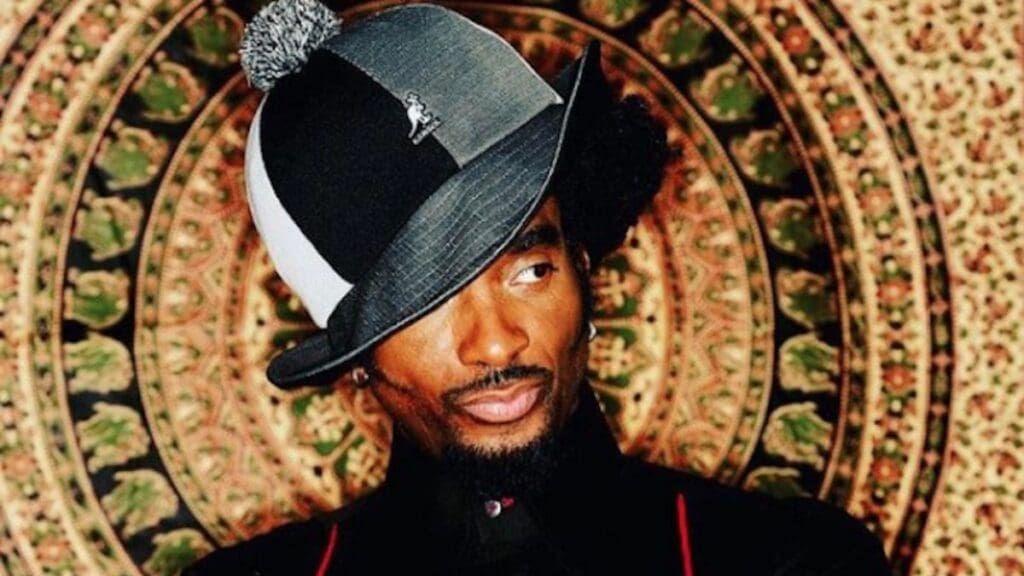
Born Joseph Anthony Fiddler on May 16, 1958, in Detroit, Amp Fiddler was raised in a city steeped in musical excellence. Detroit, home to the legendary Motown Records, provided a fertile cultural backdrop that shaped his early artistic sensibilities.
Growing up in a musically inclined household, Fiddler was exposed to gospel, soul, and funk from a young age. He began playing instruments in childhood, quickly gravitating toward keyboards and synthesizers. His natural talent was nurtured through both formal and informal education, including time spent studying music theory and performance techniques.
As a teenager, he became immersed in Detroit’s vibrant live music scene, performing in local bands and honing his craft. This early exposure to live performance laid the groundwork for his later versatility as both a studio musician and stage performer.
Early Career: From Local Talent to Funk Luminary
Amp Fiddler’s professional breakthrough came when he joined the legendary funk ensemble Parliament-Funkadelic, led by George Clinton. As a keyboardist for the group during the 1980s, Fiddler became part of one of the most influential collectives in funk history.
Working alongside George Clinton exposed him to a philosophy of musical freedom and experimentation. Parliament-Funkadelic’s fusion of psychedelic rock, funk grooves, and conceptual storytelling deeply influenced Fiddler’s artistic approach.
During this period, he developed a reputation as a skilled synthesizer player, capable of blending analog warmth with futuristic textures—a skill that would later define his solo work.
Mentorship and the Detroit Electronic Renaissance
One of Amp Fiddler’s most enduring contributions to music came through mentorship. In the early 1990s, he played a crucial role in discovering and nurturing the talents of a young producer named J Dilla.
Fiddler introduced J Dilla to advanced production tools, including the Akai MPC sampler, fundamentally shaping Dilla’s approach to beat-making. This mentorship would ripple through hip-hop and electronic music, as J Dilla went on to become one of the most influential producers of all time.
Through this connection, Amp Fiddler became an integral figure in Detroit’s musical renaissance, bridging the gap between classic funk traditions and emerging electronic and hip-hop movements.
Solo Career and Breakthrough Releases
Amp Fiddler’s solo career gained momentum in the late 1990s and early 2000s, as he began releasing music that fused soul, house, and electronic elements.
His debut album, Waltz of a Ghetto Fly (2004), remains a landmark release. The album showcased his ability to merge heartfelt songwriting with electronic production, featuring lush harmonies, grooving basslines, and sophisticated arrangements.
Tracks like “Faith” and “I Believe in You” exemplify his signature sound—uplifting, deeply emotional, and rhythmically engaging. The album received critical acclaim and introduced him to a global audience.
He followed this with albums such as:
- Afro Strut (2006)
- Inspiration Information 3 (2012, with Sly and Robbie)
These works further cemented his reputation as a genre-defying artist capable of blending funk, soul, reggae, and electronic music into a cohesive whole.
Musical Style and Influences
Amp Fiddler’s music is characterized by a rich synthesis of influences, including:
- Classic soul and funk traditions of Motown
- The experimental ethos of Parliament-Funkadelic
- Detroit techno and house music
- Gospel and jazz harmonies
His sound is distinguished by warm analog synthesizers, intricate keyboard work, and emotionally resonant vocals. Unlike many electronic producers, Fiddler maintained a strong emphasis on musicianship and live performance, bringing a human touch to electronic music.
Collaborations and Industry Contributions
Throughout his career, Amp Fiddler collaborated with a diverse array of artists, contributing as a keyboardist, producer, and songwriter. His work spanned multiple genres, reflecting his versatility and openness to experimentation.
Notable collaborations include:
- Work with Maxwell
- Contributions to projects involving Prince (through stylistic and scene connections)
- Collaborations within Detroit’s techno and house community
His ability to navigate different musical worlds made him a sought-after collaborator and a respected figure across the industry.
Challenges and Personal Resilience
Amp Fiddler’s journey was not without challenges. Like many artists balancing artistic integrity with commercial realities, he navigated an industry that often struggled to categorize his genre-blending work.
Later in life, he faced significant health challenges, including a battle with cancer. Despite these difficulties, he remained committed to music, continuing to perform and create with resilience and passion.
Personal Life and Artistic Philosophy
Fiddler was known for his humility, generosity, and dedication to community. His role as a mentor reflected a broader philosophy centered on sharing knowledge and uplifting others.
He often spoke about music as a spiritual force—a means of connection, healing, and expression. This perspective was evident in his work, which frequently conveyed themes of love, faith, and perseverance.
Discography Overview
Selected Albums
| Year | Title |
|---|---|
| 2004 | Waltz of a Ghetto Fly |
| 2006 | Afro Strut |
| 2012 | Inspiration Information 3 (with Sly & Robbie) |
| Various | Singles, EPs, and collaborations |
Awards and Recognition
| Category | Achievement |
|---|---|
| Critical Acclaim | Widely praised for Waltz of a Ghetto Fly |
| Industry Respect | Recognized as mentor to J Dilla |
| Cultural Impact | Key figure in Detroit’s music legacy |
Legacy and Cultural Impact
Amp Fiddler’s legacy is multifaceted. As a musician, he bridged the gap between analog funk traditions and digital production. As a mentor, he helped shape the future of hip-hop and electronic music through his influence on J Dilla.
His work contributed to the evolution of neo-soul, house, and electronic funk, influencing artists across genres. In Detroit, he remains a symbol of the city’s enduring creative spirit—a link between its storied past and its innovative present.
Final Years and Enduring Influence
Amp Fiddler passed away on December 17, 2023, leaving behind a rich musical legacy. Tributes from across the global music community underscored his impact—not only as an artist but as a teacher and inspiration.
Amp Fiddler’s life and career exemplify the power of music to transcend boundaries. From his early days in Detroit to his global influence, he remained committed to authenticity, creativity, and community.
For newcomers to electronic music, his work offers a compelling entry point—one that highlights the genre’s deep roots in soul and funk. For seasoned listeners, his legacy serves as a reminder that innovation is most powerful when grounded in tradition.


