The West London Visionary Who Helped Forge Dubstep’s Global Identity

Gary McCann was born in West London on 30 May 1982. Raised in a family where music was a natural presence—his father was a record collector and his older brother a DJ—Caspa’s earliest life was steeped in the sounds of reggae, jungle, hip-hop, and the emerging electronic styles that pulsed through London’s urban landscape. These influences became formative in his musical sensibility, especially the heavy bass cultures rooted in reggae and early UK electronic dance.
During his teenage years, McCann excelled at basketball and was on track for a promising athletic career. However, a serious shoulder injury forced him to pivot away from sports and redirected his creative energies toward music—an omen of the innovative path he would forge in the years that followed.
Discovering Music: From Jungle to Dubstep
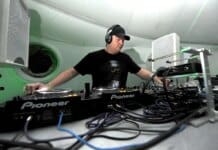
Caspa’s earliest musical explorations unfolded amid the fertile musical environment of London in the 1990s and early 2000s. The city’s vibrant underground culture exposed him to garage, jungle, and drum & bass, genres that emphasized low-end weight and rhythmic sophistication. Inspired by pirate radio stations and underground sound systems, Caspa began performing locally and experimenting with DJing and production techniques that would later inform his foundational contributions to dubstep.
Initially producing under the alias Quiet Storm, Caspa’s first recorded track, Bassbins, gained early traction when it was showcased on BBC Radio 1Xtra by DJ Da Flex—a major early validation for the young artist that propelled him further into music production.
Founding a Movement: Storming Productions and Dub Police
A defining moment in Caspa’s career came in 2004 when he founded his own record label, Storming Productions, initially focused on grime and early dubstep artists. This venture provided a platform for emerging producers at a time when dubstep was still firmly underground and largely unknown outside London’s club circuits.
In 2006, Caspa shifted to Stingray Records, and soon thereafter he created one of dubstep’s most influential imprint houses, Dub Police, which became synonymous with the burgeoning UK bass music movement. Through Dub Police, Caspa released his own productions and championed other pioneering artists—including Rusko, L-Wiz, N-Type, and The Others—helping expand dubstep’s sonic palette and community reach.
These labels were critical incubators for talent at a time when the genre was beginning to coalesce around a distinct identity built on deep subs, syncopated rhythms, and a futuristic aesthetic.
Breakthrough Recordings and Defining Works
Caspa’s early releases quickly captured attention within the scene. Tracks like “Rubber Chicken,” “Cockney Violin,” and “Louder” demonstrated his knack for blending gritty bass weight with unconventional sound design that stood apart from more minimal dubstep productions.
Key Releases and Albums
| Year | Title | Type |
|---|---|---|
| 2006 | For the Kids EP | Debut EP |
| 2007 | FabricLive.37 (with Rusko) | Mix Compilation |
| 2009 | Everybody’s Talking, Nobody’s Listening | Studio Album |
| 2013 | Alpha Omega | Album |
| 2015 | 500 | Album |
| 2024 | Inner Space EP | EP |
His debut solo album, Everybody’s Talking, Nobody’s Listening, released in 2009 on his own Sub Soldiers/Fabric Records imprint, showcased the depth and range of his musical craftsmanship, blending immersive bass textures with dynamic rhythmic interplay and guest vocal contributions. The album reinforced his vital role within the genre’s evolution and expanded his reach beyond the underground.
Collaborations and Genre Expansion
Caspa’s collaborations have played a crucial part in both his artistic development and his wider influence. His partnership with fellow producer Rusko culminated in FabricLive.37—the first dubstep installment in the iconic Fabric mix series. This release is widely regarded as a watershed moment that helped introduce dubstep to new audiences and contributed to the genre’s global expansion.
Beyond Rusko, Caspa has remixed and worked with a broad spectrum of artists across electronic and mainstream music, including high-profile names such as Deadmau5, Depeche Mode, Swedish House Mafia, Miike Snow, and even Ludacris—making him one of dubstep’s most versatile cross-genre collaborators.
These collaborations reinforced his belief in dubstep’s capacity to transcend stylistic boundaries, embracing melodic elements while maintaining its foundational bass-driven intensity.
Artistic Style and Musical Influences
Caspa’s musical style is deeply rooted in West London’s underground electronic tradition, blending influences that range from reggae and hip-hop to UK garage, jungle, and drum & bass. His productions are notable for heavy basslines that hit with physical impact, complex rhythm structures that keep dance floors moving, and a willingness to experiment with texture and atmosphere.
His creative philosophy, expressed in interviews and performances, emphasizes energy, community, and innovation, believing that the strength of a track lies not only in its technical construction but in its ability to move people physically and emotionally.
Challenges and Controversies
Despite his pivotal role in dubstep, Caspa’s journey has not been without challenges. As the genre gained international commercial popularity in the early 2010s, some dubstep purists criticized what they saw as a shift toward more aggressive, “brostep”‑style productions—a development Caspa navigated while remaining true to his roots. His dedication to underground culture often meant balancing mainstream opportunities with authenticity, a tension familiar to many artists associated with rapidly evolving musical movements.
Personal Life and Public Identity
Caspa tends to keep his personal life relatively private, though his openness about his early transition from athlete to musician has been a recurring point in interviews. He has spoken candidly about his childhood influences, the pivotal importance of pirate radio in his formative years, and how London’s vibrant subcultures shaped his outlook on music.
He later relocated temporarily to Denver, Colorado, citing the city’s vibrant music culture and welcoming community—an example of how his creative journey continued to evolve across geographies and scenes.
Awards and Recognition
While formal music awards have not always reflected underground success, Caspa’s influence is evident in festival lineups, global DJ playlists, and bass music culture more broadly.
Selected Recognition
| Year | Recognition | Context |
|---|---|---|
| 2007 | Inclusion in FabricLive Series | First dubstep mix in the series |
| 2009 | Album release and festival traction | Everybody’s Talking, Nobody’s Listening |
| 2010s | Global festival performances | Glastonbury, Lollapalooza, Lost Lands |
His ongoing presence on major festival stages underscores sustained respect from both fans and industry peers.
Recent Activities and Continuing Legacy
In 2024, Caspa released the Inner Space EP on the Deep, Dark & Dangerous label, reaffirming his commitment to innovative bass music while pushing sonic boundaries with haunting textures and colossal low-end power. The release was positioned alongside high-profile festival performances at events such as Lost Lands and Drumsheds—venues that celebrate the evolution of bass music.
In 2025 he also continued releasing singles such as “See You Again” and Project X, demonstrating his ongoing engagement with contemporary sounds and his adaptability as an artist.
Legacy: A Pioneer of Bass Culture
Caspa’s contributions to electronic dance music extend far beyond his own discography. Through his influential labels, collaborative spirit, and fearless sonic experimentation, he helped elevate dubstep from a niche London subculture to an internationally acknowledged and beloved genre. Dub Police and Sub Soldiers were crucial incubators for emerging artists, cementing Caspa’s reputation as both a creative force and a mentor within the scene.