

Architects of French Touch and Global Dancefloor Elegance
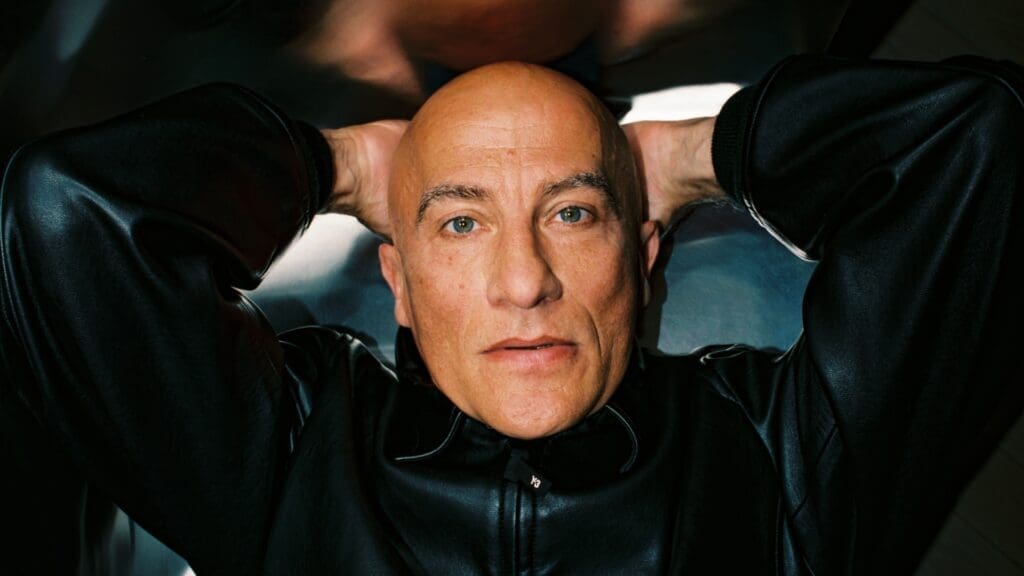
Origins and Early Lives
Philippe Zdar (Philippe Cerboneschi)
- Full Name: Philippe Cerboneschi
- Date of Birth: January 27, 1967
- Place of Birth: Paris, France
Philippe Zdar was born into a multicultural family, with Italian and French roots shaping his upbringing in Paris. His early exposure to music came through the vibrant Parisian club scene of the 1980s, where he developed a passion for DJing and production. Largely self-taught, Zdar quickly became known for his meticulous ear and innovative studio techniques.
Boom Bass (Hubert Blanc-Francard)
- Full Name: Hubert Blanc-Francard
- Date of Birth: December 1966
- Place of Birth: Paris, France
Boom Bass grew up in a deeply musical household. His father, Dominique Blanc-Francard, was a renowned sound engineer who worked with some of France’s most respected artists. This environment gave Hubert early access to professional studios and technical knowledge, which would later define his precision as a producer.
Formation of Cassius
The duo first crossed paths in the early 1990s while working within Paris’s hip-hop and electronic scenes. Both had already established reputations:
- Zdar as part of the duo Motorbass
- Boom Bass through collaborations with French hip-hop acts, including production work for MC Solaar
By 1996, they formally united as Cassius, channeling their shared love of American house, funk, and disco into a distinctly French reinterpretation.
Breakthrough and the Rise of French Touch
Cassius rose to prominence with their debut album:
“1999” (1999)
A defining record of the French Touch movement, 1999 fused filtered disco loops with house beats. Tracks like “Cassius 1999” and “Feeling for You” became international club anthems.
Their sound was characterized by:
- Filtered sampling techniques
- Funk-inspired basslines
- Minimal yet infectious vocal hooks
Cassius helped transform house music from a niche club genre into a mainstream European phenomenon.
Artistic Evolution and Major Releases
“Au Rêve” (2002)
A more eclectic and vocal-driven album, featuring collaborations with artists like Jocelyn Brown. The hit “The Sound of Violence” showcased a more melodic and emotional dimension.
“15 Again” (2006)
An album reflecting nostalgia and collaboration, including appearances by Pharrell Williams and Kanye West. It demonstrated Cassius’ growing global reach.
“Ibifornia” (2016)
A sun-soaked, Balearic-inspired album capturing the spirit of Ibiza. Featuring artists like Cat Power and Ryan Tedder, it marked a mature phase in their career.
“Dreems” (2019)
Released shortly before Zdar’s death, Dreems returned to a raw, club-oriented sound—both celebratory and reflective.
Production and Songwriting Contributions
Beyond Cassius, both members were highly influential producers:
Philippe Zdar
Zdar became one of the most respected producers in modern music, working with:
- Phoenix (Wolfgang Amadeus Phoenix, Grammy-winning album)
- Beastie Boys
- Franz Ferdinand
His signature production style emphasized warmth, analog textures, and dynamic mixing techniques.
Boom Bass
Boom Bass contributed to:
- French hip-hop’s early development
- Cross-genre collaborations bridging electronic and urban music
Musical Influences and Style
Cassius drew inspiration from:
- 1970s disco and funk
- Chicago house pioneers
- Hip-hop sampling culture
Their hallmark innovations included:
- The “filter house” technique
- Seamless blending of analog and digital production
- Emphasis on groove over complexity
They were instrumental in shaping what became known as the French Touch—a movement that redefined dance music aesthetics globally.
Challenges and Tragedy
On June 19, 2019, tragedy struck when Philippe Zdar died in an accidental fall from a building in Paris. His death sent shockwaves through the global music community.
For Boom Bass, it marked the end of Cassius as an active duo. The loss was deeply felt, not only personally but artistically, as Zdar had been a central creative force.
Legacy and Cultural Impact
Cassius’ influence extends far beyond their discography:
- They helped globalize French electronic music
- Inspired a new generation of producers in EDM and pop
- Bridged underground club culture with mainstream appeal
Their work laid the foundation for artists who followed, including acts across EDM, indie dance, and pop production.
Selected Discography
| Year | Album Title | Notes |
|---|---|---|
| 1999 | 1999 | Breakthrough French Touch album |
| 2002 | Au Rêve | Vocal-driven evolution |
| 2006 | 15 Again | High-profile collaborations |
| 2016 | Ibifornia | Balearic-inspired, melodic |
| 2019 | Dreems | Final album, return to club roots |
Awards and Recognition
| Year | Award | Work | Result |
|---|---|---|---|
| 2010 | Grammy Award | Wolfgang Amadeus Phoenix (Zdar as producer) | Won |
| Various | French Music Honors | Contributions to electronic music | Recognized |
Public Persona and Philosophy
Cassius maintained a relatively private public image, allowing their music to speak for itself. Zdar, however, was known for his passionate views on analog recording and artistic authenticity, often emphasizing emotion over perfection in production.
Their interviews revealed a philosophy rooted in:
- Musical freedom
- Collaboration across genres
- Respect for musical history
Enduring Influence
Today, Cassius stands as one of the defining acts of electronic music’s golden era. Their sound continues to echo in modern house, nu-disco, and pop production.
Philippe Zdar’s legacy, in particular, endures through countless records he shaped, while Boom Bass remains a respected figure in music circles.
For newcomers to EDM, Cassius offers a perfect entry point: music that is both accessible and deeply rooted in innovation—timeless grooves that continue to move dancefloors worldwide.
Cassius was more than a duo—they were architects of a movement. Through their fusion of funk, house, and French artistry, they helped reshape global perceptions of electronic music. Their journey, marked by creativity, collaboration, and tragedy, remains one of the most compelling stories in modern music history.


