

The Relentless Innovator of Global Techno
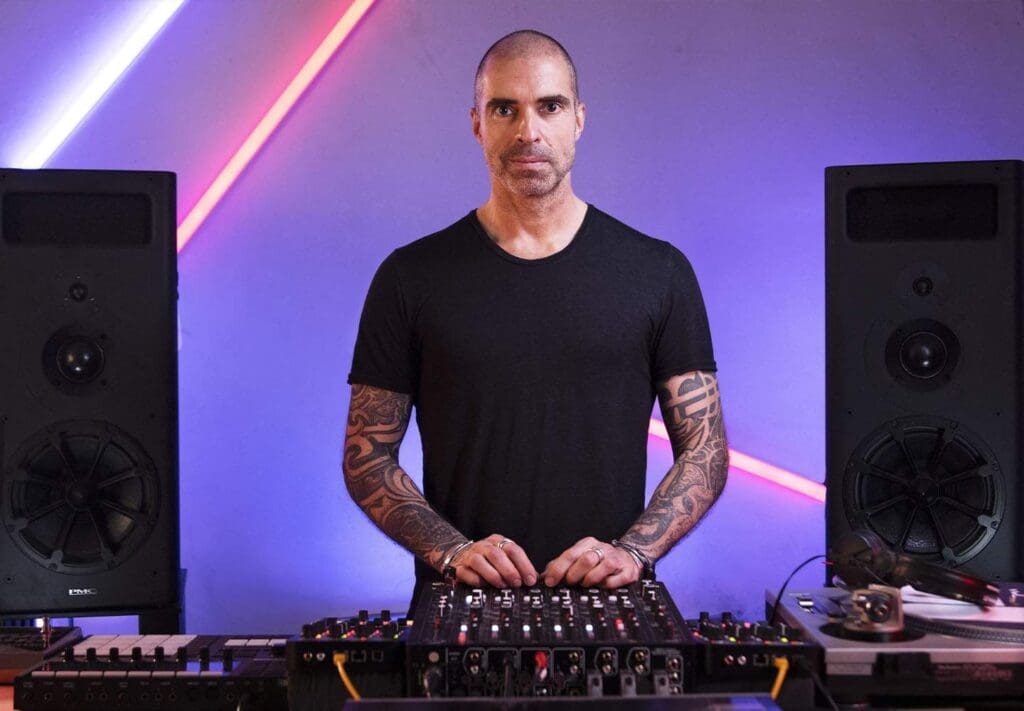
For more than three decades, Chris Liebing has stood at the forefront of techno’s evolution—an artist whose name is synonymous with precision, power, and innovation. To understand contemporary techno’s global architecture—its cavernous basslines, industrial atmospheres, and uncompromising energy—is to encounter the influence of Liebing.
Born Christopher Liebing on December 11, 1968, in Giessen, Hesse, West Germany, he emerged from the post-industrial landscape of reunified Germany to become one of the most respected figures in electronic dance music.
From underground Frankfurt clubs to the world’s most prestigious festivals, Liebing’s journey reflects both the cultural rise of techno and the restless spirit of an artist constantly reinventing his craft.
Early Life and Formative Influences
Christopher Liebing grew up in Giessen before moving to Frankfurt, a city that would become central to his identity. Germany in the 1980s was undergoing seismic cultural shifts: electronic experimentation flourished, and club culture began to redefine youth identity.
Raised in a supportive family environment—though he has largely kept private details about his parents and siblings—Liebing displayed an early fascination with sound technology. Before committing fully to music, he pursued studies in audio engineering, equipping himself with technical knowledge that would later distinguish his production style.
Frankfurt’s thriving club scene proved transformative. Venues such as the legendary Omen exposed him to acid house, EBM, and emerging techno. These spaces were not merely dancefloors—they were laboratories of cultural reinvention in post-Cold War Europe.
The 1990s: Frankfurt’s Techno Vanguard
By the early 1990s, Liebing had immersed himself in DJ culture. He quickly gained recognition for his driving, industrial sets—marked by relentless momentum and technical mastery.
In 1994, he founded the influential label CLR (Create Learn Realize), which would become one of techno’s most respected imprints. CLR was more than a label; it was a philosophy emphasizing authenticity, evolution, and sonic exploration.
During this era, Liebing became known for his marathon DJ performances, often blending three decks simultaneously—an approach that elevated technical DJing to near-athletic levels. His style embodied the harder edge of European techno: mechanical, hypnotic, and unyielding.
Musical Style and Influences
Chris Liebing’s sound is rooted in:
- Industrial textures
- Deep, rolling basslines
- Layered percussive structures
- Subtle melodic minimalism
- Dark, atmospheric builds
Influenced by Detroit pioneers as well as European electronic experimentalists, Liebing fused machine-driven precision with emotional undercurrents. Over time, his style evolved from hard, pounding techno toward more nuanced and melodic frameworks—particularly evident in his later studio albums.
He has frequently spoken about techno as a space for constant learning and reinvention. The name CLR itself reflects his ethos: creation through growth.
Studio Albums and Artistic Evolution
While Liebing built his reputation through DJing and EP releases, his full-length albums mark significant artistic chapters.
Selected Albums
- Evolution (2009)
- Burn Slow (2018)
- Another Day (2021)
Burn Slow represented a notable stylistic shift. Featuring collaborations with vocalists and artists from outside traditional techno circles, the album introduced introspective and atmospheric elements. It demonstrated Liebing’s willingness to step beyond peak-time club functionality into more contemplative terrain.
Another Day further expanded this palette, incorporating cinematic textures and emotional nuance while retaining rhythmic intensity.
Global Touring and Festival Presence
From Berlin’s underground temples to global festivals, Liebing has been a constant presence. He has performed at events such as Time Warp and major international gatherings, earning a reputation for technical excellence and uncompromising sound design.
Unlike many DJs who chase trends, Liebing’s longevity stems from adaptability. He embraced digital DJ technology early, integrating software tools while maintaining high artistic standards. This forward-thinking mindset positioned him as both a traditionalist and innovator.
Collaborations and Production Contributions
Throughout his career, Liebing has collaborated with prominent techno artists and mentored emerging producers through CLR. His remixes and joint projects have influenced multiple generations of DJs.
Beyond the studio, his podcast CLR Podcast became a key platform for showcasing underground talent worldwide, amplifying voices from diverse corners of the techno community. This initiative reinforced his role not just as performer, but as curator and tastemaker.
Personal Life and Philosophical Outlook
Chris Liebing’s personal journey includes significant periods of introspection. He has openly discussed struggles with alcohol earlier in his career, later choosing sobriety—a decision that profoundly influenced both his health and creative clarity.
In interviews, he often reflects on mindfulness, balance, and sustainable touring practices. These themes mirror the evolution in his music—from relentless hardness toward deeper emotional exploration.
Though private about family details, Liebing has spoken about the importance of personal growth, community, and authenticity in an industry often driven by spectacle.
Challenges and Industry Shifts
The techno world of the 1990s differed drastically from today’s globalized EDM industry. Liebing navigated:
- The collapse of vinyl-dominated markets
- The digital revolution in DJing
- The commercialization of festival culture
- The resurgence of harder techno in the 2020s
At times, he faced criticism from purists during stylistic shifts. Yet these transitions underscore his refusal to stagnate. Rather than remain confined to one subgenre, he embraced evolution as necessity.
Awards and Recognition
While techno artists often operate outside mainstream award circuits, Liebing’s influence is widely acknowledged.
| Year/Period | Recognition | Significance |
|---|---|---|
| 1994 | Founded CLR | One of techno’s most respected labels |
| 2000s–2020s | Global Headliner | Sustained international relevance |
| Multiple Years | Resident Advisor Recognition | Peer-driven acclaim |
| Ongoing | CLR Podcast | Major platform for underground artists |
His recognition lies less in trophies and more in enduring credibility.
Recent Activities (2022–2026)
In recent years, Liebing has continued releasing music, touring internationally, and curating events under the CLR banner. As techno’s popularity surges globally, particularly among younger audiences drawn to harder BPMs, his early contributions are being rediscovered with renewed appreciation.
He remains active in pushing production boundaries, integrating modular synthesis and evolving sound design into his workflow.
Cultural Impact and Legacy
Chris Liebing’s legacy can be understood through several key contributions:
- Institution Builder: CLR became a cornerstone of European techno infrastructure.
- Technical Pioneer: Advanced multi-deck mixing and digital integration.
- Mentor and Curator: Elevated emerging artists via label and podcast platforms.
- Evolutionary Artist: Transitioned from hard industrial techno to melodic depth without losing authenticity.
For newcomers to EDM, Liebing represents techno’s core values: discipline, innovation, and community. His career charts the genre’s transformation from underground rebellion to global cultural force.


