

The Visionary Who Helped Shape Modern Dubstep
Early Life and Background
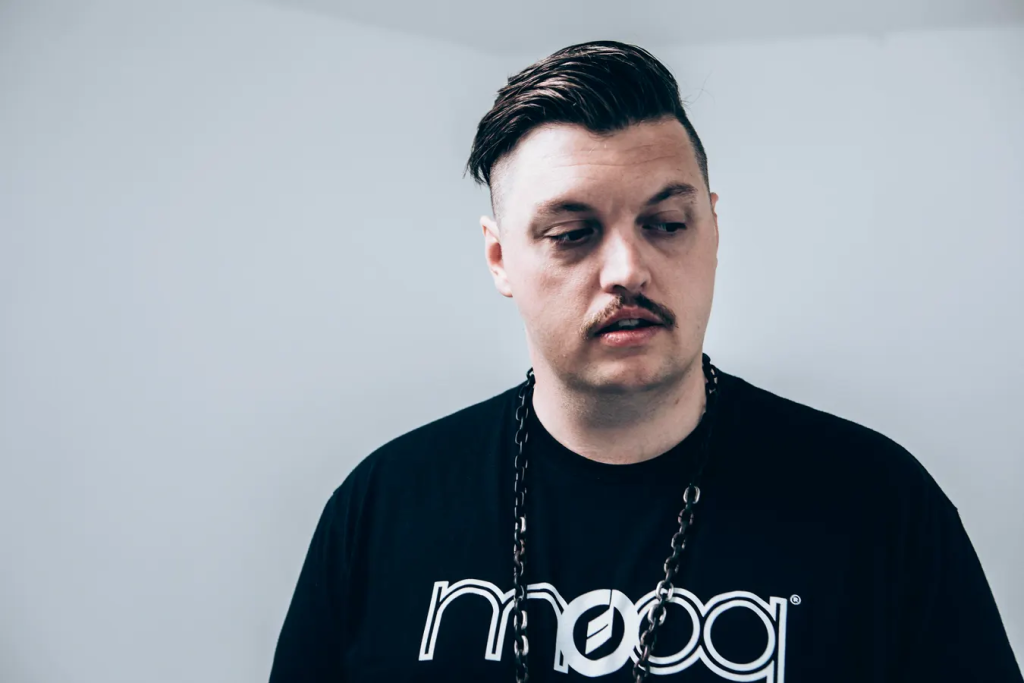
Joshua Steele, globally recognized by his stage name Flux Pavilion, was born on January 15, 1989, in Towcester, Northamptonshire, England. Emerging from the English countryside rather than a major metropolitan music hub, Steele’s early environment was quiet and rural—an unlikely birthplace for a future architect of one of electronic music’s loudest and most influential genres.
Raised in a musically inclined household, Steele’s exposure to music began at a young age. His parents encouraged artistic exploration, and he quickly gravitated toward musical instruments and composition. Unlike many EDM producers who entered music primarily through DJ culture, Steele’s early training included classical and choral traditions.
As a child and teenager, he attended a prestigious choral school and became a chorister at Westminster Abbey in London—one of the most historic and culturally significant religious institutions in the United Kingdom. Singing regularly in the Abbey exposed him to classical compositions, complex harmonies, and disciplined musical performance.
This early classical foundation would later become one of the defining elements of Flux Pavilion’s music: powerful melodies, emotional harmonic structures, and a deep understanding of musical arrangement.
Education and Musical Development
Steele later pursued formal music education at Birmingham City University, where he studied Music and Composition. During this period, he expanded his musical palette beyond classical training into contemporary genres including electronic music, hip-hop, and drum and bass.
University life also introduced Steele to music production software and the technical world of digital sound design. Programs such as Ableton Live and Logic allowed him to translate his compositional instincts into electronic form.
By the mid-2000s, Steele had become fascinated with the emerging dubstep movement developing in the United Kingdom—an underground genre characterized by heavy bass, syncopated rhythms, and dark sonic textures.
What distinguished Steele from many early producers was his melodic sensibility. Instead of focusing solely on bass aggression, he layered emotional chords, soaring leads, and vocal hooks into his productions.
The Birth of Flux Pavilion
Joshua Steele adopted the alias Flux Pavilion in the late 2000s as he began releasing music within the UK dubstep scene.
The name itself suggested motion and transformation—“flux” representing constant change and energy. It was an apt metaphor for a producer whose music would soon help reshape electronic dance music on a global scale.
In 2008, Steele co-founded the influential record label Circus Records alongside childhood friend and fellow producer Doctor P, as well as collaborators DJ Swan-E and Earl Falconer.
Circus Records quickly became one of the most important labels in dubstep, serving as a launchpad for artists who would later dominate festival stages worldwide.
Breakthrough and Global Recognition
Flux Pavilion’s international breakthrough arrived in 2011 with the explosive release of the single “I Can’t Stop.”
The track combined:
- monumental bass drops
- euphoric melodic leads
- emotional chord progressions
It rapidly spread through club circuits and festival sets around the world.
The song achieved an unexpected cultural milestone when **Jay-Z and Kanye West sampled it in their collaborative single “Who Gon Stop Me” from the album Watch the Throne.
This moment symbolized dubstep’s arrival in mainstream global music culture.
Flux Pavilion soon followed the success with additional influential releases including:
- “Bass Cannon”
- “Cracks” (featuring Example)
- “Gold Dust (Flux Pavilion Remix)”
These tracks became staples in the rising EDM festival circuit.
Musical Style and Artistic Identity
Flux Pavilion’s sound is often described as melodic dubstep, a subgenre emphasizing emotional musicality alongside heavy bass production.
His signature style blends:
- cinematic melodies
- orchestral harmonies
- powerful basslines
- uplifting vocals
- complex sound design
Unlike producers who focused purely on aggressive sonic textures, Flux Pavilion placed songwriting at the center of electronic music.
Many of his tracks include his own vocals, reflecting his background in classical singing and composition.
His music often balances two contrasting elements:
- euphoric emotional build-ups
- thunderous dubstep drops
This duality helped introduce many new listeners to electronic dance music.
Studio Albums and Major Releases
Flux Pavilion gradually evolved from singles and EPs into full-length albums that expanded his musical range.
Key Albums
| Year | Album | Notes |
|---|---|---|
| 2015 | Tesla | Debut studio album exploring melodic bass and experimental sound |
| 2017 | Tesla (Deluxe Edition) | Expanded version with new tracks |
| 2021 | .wav | A conceptual trilogy album reflecting artistic reinvention |
The .wav album marked a particularly important phase in Steele’s career. The project was released in three thematic chapters—Initiate, Execute, and Illuminate—each exploring different emotional and sonic landscapes.
This format reflected Flux Pavilion’s evolving artistic philosophy: music as a narrative journey rather than just club singles.
Collaborations and Production Work
Flux Pavilion has collaborated with an impressive range of artists across electronic, pop, and hip-hop music.
Notable collaborators include:
- Skrillex
- Dillon Francis
- Childish Gambino
- Steve Aoki
- Zeds Dead
- Excision
He has also remixed songs for prominent artists including:
- The Prodigy
- Deadmau5
- Flux Pavilion himself through alternate versions
His work has been featured in video games, films, and global advertising campaigns, helping spread dubstep’s sonic identity far beyond underground clubs.
Cultural Impact and Role in EDM’s Global Explosion
Flux Pavilion emerged during a transformative period for electronic dance music.
The early 2010s saw EDM transition from niche club culture to global mainstream phenomenon. Alongside producers like Skrillex, Flux Pavilion played a critical role in bringing dubstep into the international spotlight.
His influence is visible in several areas:
1. Melodic Dubstep Innovation
Flux Pavilion helped prove that bass music could be emotionally expressive, not merely aggressive.
2. Artist-Driven Labels
Circus Records became a platform that nurtured rising producers and strengthened the UK bass music ecosystem.
3. Cross-Genre Collaboration
His music connected electronic producers with hip-hop, pop, and rock artists, expanding the genre’s cultural reach.
Challenges and Personal Transformation
Despite the high-energy image of EDM culture, Steele has been candid about the personal challenges that accompanied his success.
Years of touring, festival schedules, and constant production led to creative burnout and health concerns. At one stage he stepped back from constant touring in order to focus on personal well-being and artistic renewal.
In interviews, Steele has spoken about rediscovering the joy of music creation outside industry pressure.
He has emphasized that music should be an expression of emotion, curiosity, and authenticity, rather than purely commercial performance.
Personal Life and Philosophy
Joshua Steele maintains a relatively private personal life, preferring to let his music and label work speak for him.
However, his public statements reveal a reflective and thoughtful perspective on creativity.
He has often discussed the importance of mental health, artistic independence, and personal growth within the fast-paced electronic music industry.
Steele has also expressed an enduring fascination with technology and sound design—treating electronic music as a laboratory for sonic exploration.
Awards and Recognition
Although EDM artists often receive recognition outside traditional music award structures, Flux Pavilion has received numerous honors and accolades.
Selected Awards and Industry Recognition
| Year | Recognition | Organization |
|---|---|---|
| 2012 | Breakthrough Dubstep Artist | EDM community awards |
| Multiple Years | DJ rankings and festival recognition | Electronic music industry |
| Various | Chart success and streaming milestones | Global digital platforms |
His tracks have amassed hundreds of millions of streams worldwide, reflecting his enduring popularity among electronic music fans.
Discography Summary
Studio Albums
- Tesla (2015)
- Tesla – Deluxe Edition (2017)
- .wav (2021)
Influential Singles and EPs
- “I Can’t Stop”
- “Bass Cannon”
- “Cracks”
- “Emotional”
- “Symphony”
Recent Work and Ongoing Influence
Flux Pavilion remains an active force in electronic music, continuing to release singles, collaborate with emerging producers, and tour internationally.
Recent years have seen him exploring broader sonic territory—incorporating melodic bass, house influences, and experimental electronic structures.
He continues to perform at major global festivals including:
- Tomorrowland
- Electric Daisy Carnival
- Ultra Music Festival
Through Circus Records, he also remains deeply involved in supporting the next generation of bass music artists.
Legacy
Flux Pavilion stands among the most influential producers of the post-2010 dubstep generation.
His legacy includes:
- helping introduce dubstep to mainstream audiences
- redefining bass music through melody and songwriting
- establishing a major independent EDM label
- mentoring emerging producers
- bridging underground electronic music with global pop culture


