

The Quiet Force Behind Japan’s Techno Underground
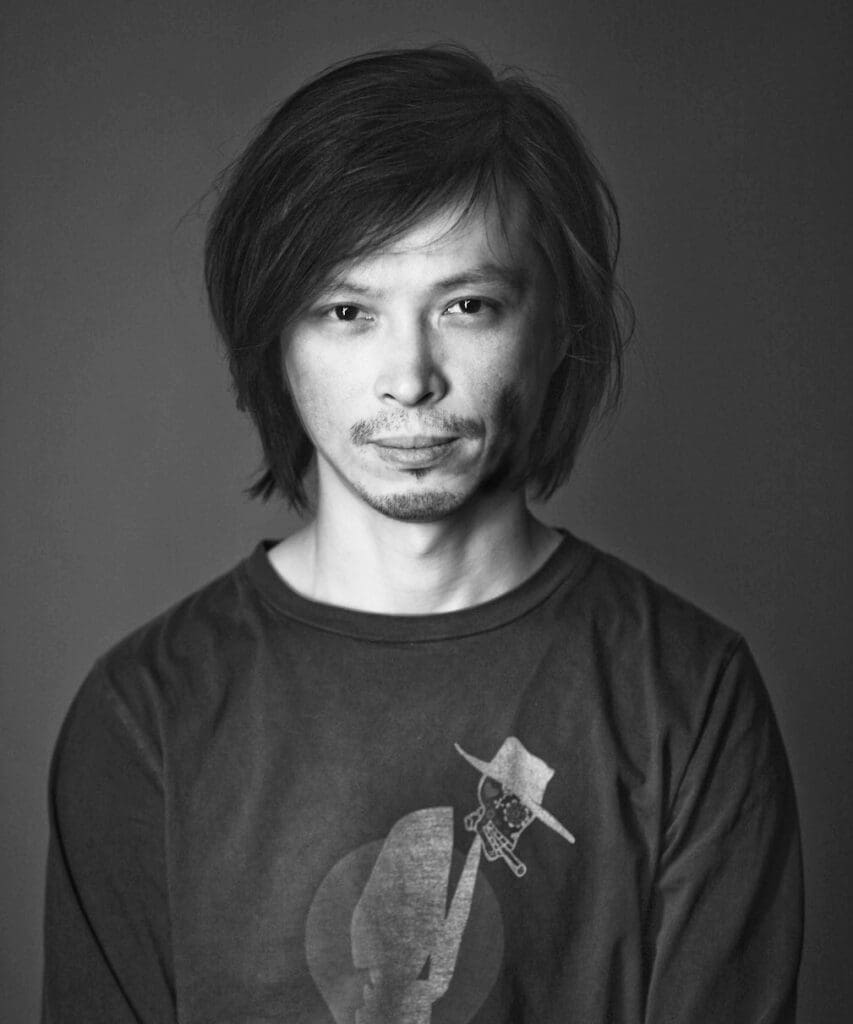
Early Life and Background
Birth and Origin
Fumiya Tanaka was born on 1972 in Kyoto, a city globally known for its cultural heritage, Zen traditions, and artistic refinement.
Cultural Environment
Growing up in Japan during a period of rapid modernization, Tanaka was exposed to:
- Traditional Japanese cultural aesthetics
- Early Western electronic and experimental music imports
- Underground club culture emerging in Tokyo and Osaka
This duality—tradition versus modern experimentation—would later define his artistic philosophy.
Entry Into Music and Early Development
Tanaka’s introduction to music came through Japan’s evolving underground club scene in the late 1980s and early 1990s. During this period, he developed as a DJ within a rapidly growing network of:
- Warehouse parties
- Underground techno events
- Independent club culture spaces
Rather than pursuing mainstream recognition, he gravitated toward DJing as a long-form artistic practice, focusing on flow, atmosphere, and gradual sonic transformation.
Rise in the Japanese Techno Scene
Establishing an Underground Identity
Tanaka quickly became known for his distinctive DJ sets characterized by:
- Minimalist techno structures
- Extended mixing techniques
- Deep rhythmic continuity
- Avoidance of commercial EDM tropes
His reputation grew within Japan’s underground circles as a DJ who prioritized experience over performance spectacle.
Founding Role in Japanese Electronic Culture
Tanaka is widely regarded as a foundational figure in Japan’s techno movement, contributing to:
- The development of Tokyo’s underground club ecosystem
- The growth of independent techno labels
- The international recognition of Japanese electronic music
He also became associated with influential global techno networks, connecting Japan to Europe’s evolving minimal techno scene.
Artistic Style and Musical Philosophy
Minimalism as Expression
Tanaka’s approach to music is defined by:
- Sparse, evolving rhythmic structures
- Subtle tonal shifts over time
- Deep focus on groove continuity
- Long-duration DJ storytelling
Philosophical Influence
His work reflects concepts often associated with:
- Japanese minimal aesthetics (Ma: space and silence)
- Zen-like repetition and restraint
- Functional yet emotional sound design
Rather than overwhelming the listener, his music invites deep listening and introspection.
Career Highlights and Key Contributions
DJ and Producer Identity
Unlike many EDM artists, Tanaka is primarily known as a DJ first, with production serving as an extension of his live philosophy.
Label and Community Influence
He has been associated with influential underground platforms such as:
- independent techno labels
- European minimal techno circuits
- Japanese experimental electronic collectives
Selected Discography and Releases
Notable Works
| Year | Title |
|---|---|
| 1990s | Early DJ recordings and underground sets |
| 2000s | Minimal techno releases and DJ compilations |
| 2010s | Long-form experimental mixes |
| 2020s | Ongoing live sets and curated performances |
Production Approach
His catalog is less defined by traditional albums and more by:
- DJ mixes
- Live recordings
- Limited-release vinyl projects
- Collaborative underground releases
Collaborations and Global Influence
International Techno Network
Tanaka has worked within a global ecosystem of techno artists, including:
- European minimal techno producers
- Japanese underground DJs and live performers
- Experimental electronic collectives
Cultural Contribution
His influence extends to:
- The global perception of Japanese techno
- The philosophy of DJing as long-form art
- Minimalism in club music design
Awards and Recognition
Unlike mainstream EDM figures, Tanaka’s recognition is largely cultural rather than commercial.
| Category | Recognition |
|---|---|
| Underground Influence | Global techno scene respect |
| DJ artistry | Long-form mixing innovation |
| Cultural impact | Japanese electronic music pioneer |
Public Persona and Personal Philosophy
Private and Minimal Public Profile
Tanaka is known for maintaining a low public profile, focusing instead on:
- Music as practice rather than celebrity
- DJing as an ongoing artistic dialogue
- Community-driven underground culture
Artistic Beliefs
His philosophy emphasizes:
- Music as temporal experience
- The importance of space and silence in sound
- Resistance to commercial EDM structures
Challenges and Industry Position
Against Commercial EDM Trends
One of Tanaka’s defining challenges has been:
- Remaining outside mainstream EDM commercialization
- Preserving underground authenticity in a globalized industry
- Maintaining relevance without adapting to festival-driven trends
Artistic Integrity
Rather than adapting to commercial pressures, he has consistently chosen:
- Minimalism over spectacle
- Depth over mass appeal
- Underground culture over mainstream visibility
Legacy: The Philosophy of Minimal Techno
Key Contributions
- Pioneering Minimal Techno in Japan
- Redefining DJing as long-form storytelling
- Connecting Japanese underground culture to global techno networks
Impact on EDM and Club Culture
Fumiya Tanaka’s legacy includes influencing:
- Minimal techno aesthetics worldwide
- DJ performance philosophy
- The appreciation of subtlety in electronic dance music
For global audiences discovering electronic dance music, Fumiya Tanaka represents a vital counterpoint to EDM excess. His career demonstrates that electronic music is not only about energy and spectacle, but also about restraint, patience, and sonic meditation.


