

A Comprehensive Biographical Portrait of the Drum & Bass Visionary
Early Life and Family Background
Goldie was born to a Jamaican father and a Scottish mother in Wolverhampton, an industrial city in England’s West Midlands. Shortly after his birth, he was placed into foster care and later adopted by a white working-class family. Growing up in a racially complex environment during the 1970s shaped his sense of identity and often placed him at odds with societal expectations.
His adoptive parents encouraged creative exploration, but Goldie’s early life was marked by restlessness and rebellion.
As a teenager, he became deeply immersed in emerging urban cultures—particularly hip-hop, breakdancing, and graffiti art. During the early 1980s he traveled widely across Europe and the United States, absorbing influences from the global hip-hop movement.
Graffiti would become his first artistic calling. Under the tag Goldie, he gained recognition as one of the United Kingdom’s pioneering graffiti artists, leaving striking metallic-styled murals across cities such as Birmingham and London. This period established both his nickname and his identity as a visual innovator.
Education and Artistic Development
Goldie attended art college in the Midlands, where he studied visual arts and design. Although formal education played a role in shaping his aesthetic sensibilities, much of his artistic education came from street culture and self-directed exploration.
His graffiti style—characterized by chrome lettering and futuristic motifs—demonstrated a fascination with metallic textures and urban machinery. These visual themes would later translate into the sonic architecture of his music, where metallic percussion and industrial atmospheres became signature elements.
From Breakbeats to Drum & Bass: Entry into Music
During the late 1980s and early 1990s, Britain’s rave culture exploded, giving rise to new electronic genres such as jungle and drum and bass. Goldie quickly became captivated by these sounds, which fused breakbeats, reggae basslines, and techno influences.
He began collaborating with producers and DJs within London’s burgeoning underground scene. One of his earliest milestones was the 1992 release “Terminator”, produced alongside Rufige Kru collaborator Doc Scott. The track’s futuristic time-stretching technique revolutionized drum programming and became a cornerstone of jungle music.
The Rufige Kru collective would later become Goldie’s primary production alias, representing a rotating group of collaborators who helped shape his sound.
Metalheadz and the Rise of a Cultural Movement
In 1994, Goldie founded the influential record label Metalheadz. Operating initially from London’s underground club culture, the label soon became a central hub for the evolving drum and bass scene.
Metalheadz nights at the legendary London club Blue Note were particularly influential. These weekly gatherings brought together producers, DJs, and fans in a community defined by experimentation and musical ambition. Artists associated with the label included pioneers who would shape the genre’s future.
Under Goldie’s leadership, Metalheadz elevated drum and bass from purely club-focused music into a sophisticated form of electronic composition.
Breakthrough Album: Timeless
Goldie’s artistic breakthrough came in 1995 with the release of his debut album Timeless. The record is widely regarded as one of the most important works in electronic music history.
Blending orchestral arrangements, atmospheric textures, and complex breakbeats, Timeless pushed drum and bass beyond its dance-floor origins into cinematic territory. The album’s centerpiece, the 21-minute suite “Inner City Life,” became a defining anthem of the genre.
The record reached the UK Top 10 and demonstrated that electronic music could achieve both critical acclaim and mainstream success without sacrificing artistic depth.
Subsequent Albums and Musical Evolution
Following the success of Timeless, Goldie continued to expand his sonic palette with ambitious studio projects:
| Year | Album | Notes |
|---|---|---|
| 1995 | Timeless | Landmark drum and bass album |
| 1998 | Saturnz Return | Experimental double album featuring a 60-minute orchestral track |
| 2003 | Ring of Saturn | Collaborative project |
| 2017 | The Journey Man | Celebrated comeback album |
His second album, Saturnz Return, demonstrated his willingness to challenge conventions. The record included the extraordinary track “Mother,” a one-hour orchestral composition exploring themes of identity and family.
Collaborations and Production Contributions
Goldie has worked alongside many influential artists across genres. Collaborators include producers, vocalists, and orchestral musicians who helped expand the scope of drum and bass.
Through Metalheadz and Rufige Kru projects, he supported and collaborated with prominent figures in electronic music, shaping a network that would influence generations of producers.
His work also bridged electronic music with classical composition, jazz, and ambient sound design—helping legitimize drum and bass as a sophisticated musical form.
Acting and Broader Cultural Presence
Goldie’s distinctive appearance and charismatic personality led to a successful acting career. He appeared in films and television series including:
- The World Is Not Enough
- EastEnders
His appearances introduced him to audiences beyond electronic music, reinforcing his reputation as a cultural polymath.
He also competed in popular British television shows, further broadening his public profile.
Awards and Recognition
Goldie’s contributions to music and culture have earned numerous accolades.
| Year | Award / Recognition | Category |
|---|---|---|
| 1996 | UK Music Awards | Breakthrough Electronic Artist |
| 1997 | NME Awards | Innovation in Music |
| 2017 | Electronic Music Awards | Lifetime Influence Recognition |
Although drum and bass historically received fewer mainstream awards than other genres, Goldie’s influence has been widely acknowledged by critics, artists, and institutions.
Challenges and Controversies
Goldie’s career has not been without turbulence. Throughout the 1990s he gained a reputation for his outspoken personality and sometimes confrontational public statements. His rise coincided with a period when drum and bass was navigating media scrutiny and cultural misunderstanding.
Personal struggles—including challenges related to identity, family history, and the pressures of fame—also shaped his artistic outlook. Goldie has often spoken openly about these experiences, describing creativity as both catharsis and self-discovery.
Personal Life and Identity
Goldie’s personal life has frequently intersected with his art. His exploration of mixed-race identity and his search for his biological father influenced many of his lyrical and conceptual themes.
He has also embraced spirituality and meditation in later years, discussing the importance of mindfulness and personal growth in interviews.
These reflections have deepened public understanding of his music as a form of autobiographical storytelling.
Recent Work and Continued Activity
Goldie remains active as a performer and cultural ambassador for drum and bass. Through the Metalheadz label and his Rufige Kru project, he continues releasing music and mentoring emerging producers.
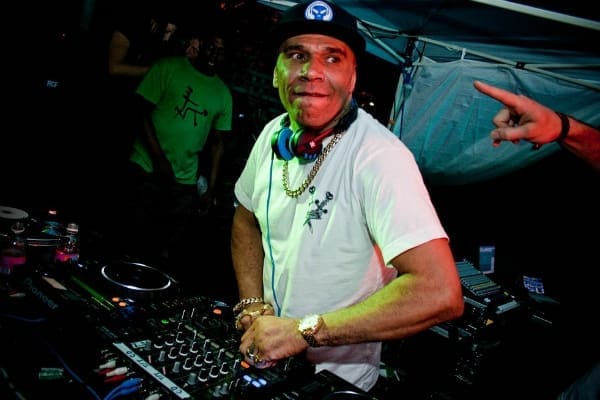
He also performs internationally as a DJ, bringing decades of experience and an expansive musical catalog to festival audiences around the world.
Legacy and Cultural Impact
Goldie’s influence on electronic music is profound. By merging orchestral ambition with breakbeat innovation, he expanded the artistic possibilities of drum and bass and helped elevate it to a globally respected genre.
His work inspired countless producers and established a blueprint for integrating underground dance music with broader cultural narratives.
More than a musician, Goldie represents a creative philosophy: that electronic music can be both intellectually ambitious and emotionally powerful.
From the streets of Wolverhampton to the forefront of global electronic music, Goldie’s journey reflects resilience, artistic vision, and cultural transformation. His groundbreaking albums, influential label, and relentless pursuit of innovation have secured his place among the most important figures in modern music.


