

Architect of Deep House Soul
Early Life and Musical Heritage
Kerri Chandler was born September 28, 1969, in East Orange, New Jersey, United States. Raised in a deeply musical household, Chandler grew up surrounded by rhythm, melody, and the communal spirit of live performance.
His father, Joseph Chandler, was a professional jazz DJ and musician, while his mother also worked within the music scene. Their home was filled with vinyl records spanning jazz, disco, soul, and early electronic music.
By the age of 10, Chandler was already experimenting with DJ equipment, learning how to blend records and understand the mechanics of rhythm and groove.
Equally influential was his grandfather, Joseph Chandler Sr., who played bass in jazz ensembles. Observing musicians rehearse and perform live instilled in young Kerri a lifelong appreciation for improvisation and musical structure.
This musical upbringing—rooted equally in club culture and jazz musicianship—would later become the defining element of Chandler’s signature sound.
Education and Early Musical Experiments
Chandler’s early education was shaped as much by clubs and studios as by classrooms. While attending school in New Jersey, he spent evenings studying records, drum machines, and synthesizers.
Inspired by the explosion of house music in nearby New York City and Chicago, he began producing his own tracks as a teenager.
The late 1980s represented a transformative moment in dance music. Artists such as Frankie Knuckles, Larry Heard, and Marshall Jefferson had already established house music as a powerful cultural movement. Chandler absorbed these influences but quickly developed his own approach—infusing house with a distinctly New Jersey swing.
Breakthrough: “Superlover” and the Early 1990s
At just 20 years old, Chandler released the track “Superlover / Get It Off” in 1991, widely considered his first major breakthrough.
The track’s warm bassline, gospel-tinged chords, and driving rhythm signaled the arrival of a new voice in house music. DJs across the United States and Europe quickly embraced it, and Chandler soon found himself touring internationally.
His early productions helped define what would become known as deep house, emphasizing musical sophistication over purely mechanical dance beats.
During the 1990s, Chandler released a remarkable stream of influential records including:
- Atmosphere
- Rain
- Bar A Thym
- Track 1
- Mommy What’s a Record
These works quickly became underground classics.
The Sound of Kerri Chandler
Chandler’s music stands apart in electronic dance music for its organic, soulful character.
Key elements of his signature style include:
- Deep, rolling basslines
- Jazz-influenced chords and harmonies
- Swing-heavy drum programming
- Gospel-inspired vocals
- Warm analog production
Unlike many electronic producers, Chandler often incorporates live instruments, including piano, bass, and percussion, maintaining the tradition of musicianship within a digital genre.
He frequently emphasizes the emotional core of dance music, once remarking in interviews that house music should feel “human, not mechanical.”
Madhouse Records and Artistic Independence
In 1992, Chandler founded his own label, Madhouse Records, which became one of the most respected platforms for deep house music.
The label allowed him to maintain creative independence while releasing his own productions and supporting emerging artists.
Over the decades, Madhouse Records has served as a hub for:
- underground house innovation
- DJ-focused vinyl releases
- collaborations with rising producers
Chandler also established the label Kaoz Theory, expanding his platform for new music and experimental productions.
Albums and Expanding Musical Vision
Although Chandler initially built his reputation through singles and EPs, he later developed a strong body of full-length albums.
Notable Albums
| Year | Album | Notes |
|---|---|---|
| 2005 | Trionisphere | First full-length studio album |
| 2008 | Computer Games | Blend of analog and digital production |
| 2010 | The Watergate Tapes | Live club recording |
| 2017 | Spaces and Places | Recorded across global cities |
| 2022 | Raw Grooves | Return to classic house aesthetics |
His 2017 album Spaces and Places stands among his most ambitious works. Recorded in studios across cities including Berlin, New York City, and Detroit, the album captured the global spirit of contemporary house music.
Collaborations and Production Work
Throughout his career, Chandler has collaborated with many notable artists and vocalists.
Frequent collaborators include:
- Dennis Ferrer
- DJ Deep
- Jamie Jones
- Roy Ayers
He has also produced and remixed music across genres, working with artists ranging from underground house singers to jazz legends.
Chandler’s remix catalog includes reinterpretations for artists across house, soul, and electronic music scenes.
Global Touring and DJ Legacy
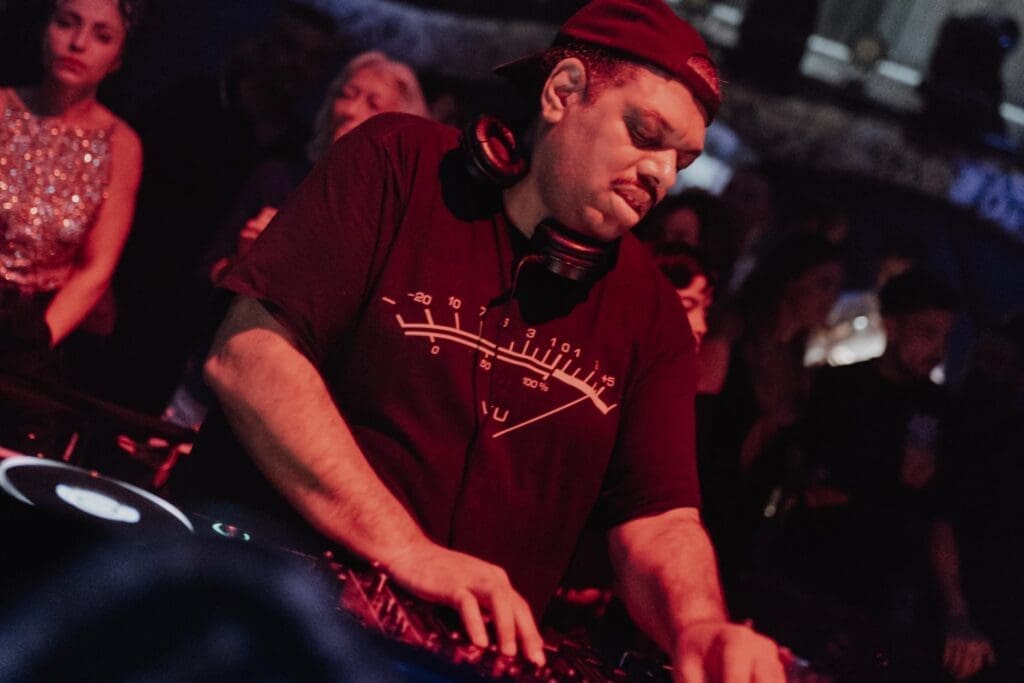
Beyond the studio, Chandler is celebrated as one of house music’s most skilled DJs.
His DJ sets are famous for:
- spontaneous vinyl mixing
- extended improvisation
- deep emotional storytelling through music
He has performed at major clubs and festivals worldwide, including legendary venues such as:
- Fabric London
- DC-10 Ibiza
- Watergate Berlin
Despite international fame, Chandler remains deeply connected to underground club culture.
Challenges and Industry Changes
Chandler’s career has unfolded during dramatic transformations in the music industry—from vinyl dominance to digital streaming.
One of his most notable public stances has been his defense of analog production and vinyl DJ culture. While he embraces modern technology, Chandler has consistently advocated for preserving the musical authenticity of house music.
Like many pioneers of underground genres, he has occasionally expressed concern about commercialization diluting house music’s cultural roots.
Personal Life and Philosophy
Although Chandler maintains a relatively private personal life, he often speaks openly about the spiritual and communal elements of house music.
He frequently emphasizes that the genre was born from community, inclusion, and emotional expression, particularly within Black and LGBTQ+ nightlife cultures.
Chandler has described house music as “a universal language of rhythm and soul.”
Awards and Recognition
While house music historically receives fewer mainstream awards than pop or rock, Chandler has been widely honored within electronic music circles.
| Year | Award / Recognition | Organization |
|---|---|---|
| 2017 | Best DJ | DJ Awards |
| 2017 | Best Album (Spaces and Places) | DJ Awards |
| 2020 | Lifetime Contribution Recognition | House Music Awards |
More importantly, his influence can be heard across generations of producers.
Discography (Selected)
Studio Albums
| Year | Album |
|---|---|
| 2005 | Trionisphere |
| 2008 | Computer Games |
| 2010 | The Watergate Tapes |
| 2017 | Spaces and Places |
| 2022 | Raw Grooves |
Influential Singles / EPs
- Superlover / Get It Off (1991)
- Atmosphere (1993)
- Rain (1998)
- Bar A Thym (1995)
- Mommy What’s a Record (1998)
Cultural Impact and Legacy
Few producers embody the soul of house music as completely as Kerri Chandler.
His contributions helped:
- define the sound of deep house
- preserve live musicality in electronic production
- bridge jazz traditions with modern dance music
Today, his influence extends across generations of artists—from underground DJs to global electronic stars.
Producers worldwide cite Chandler as a foundational inspiration, and his music continues to fill dance floors decades after its release.
Recent Activities
In recent years, Chandler has remained highly active.
He continues to:
- tour internationally
- release music on Kaoz Theory
- collaborate with contemporary house producers
His performances remain renowned for their authenticity, often featuring live keyboards, vinyl mixing, and extended improvisation.
Enduring Legacy
In the world of electronic music, trends rise and fall quickly. Yet Kerri Chandler’s work has endured for more than three decades, not because it followed trends—but because it preserved the emotional core of house music.


