

The Architect of the Global Trance Sound
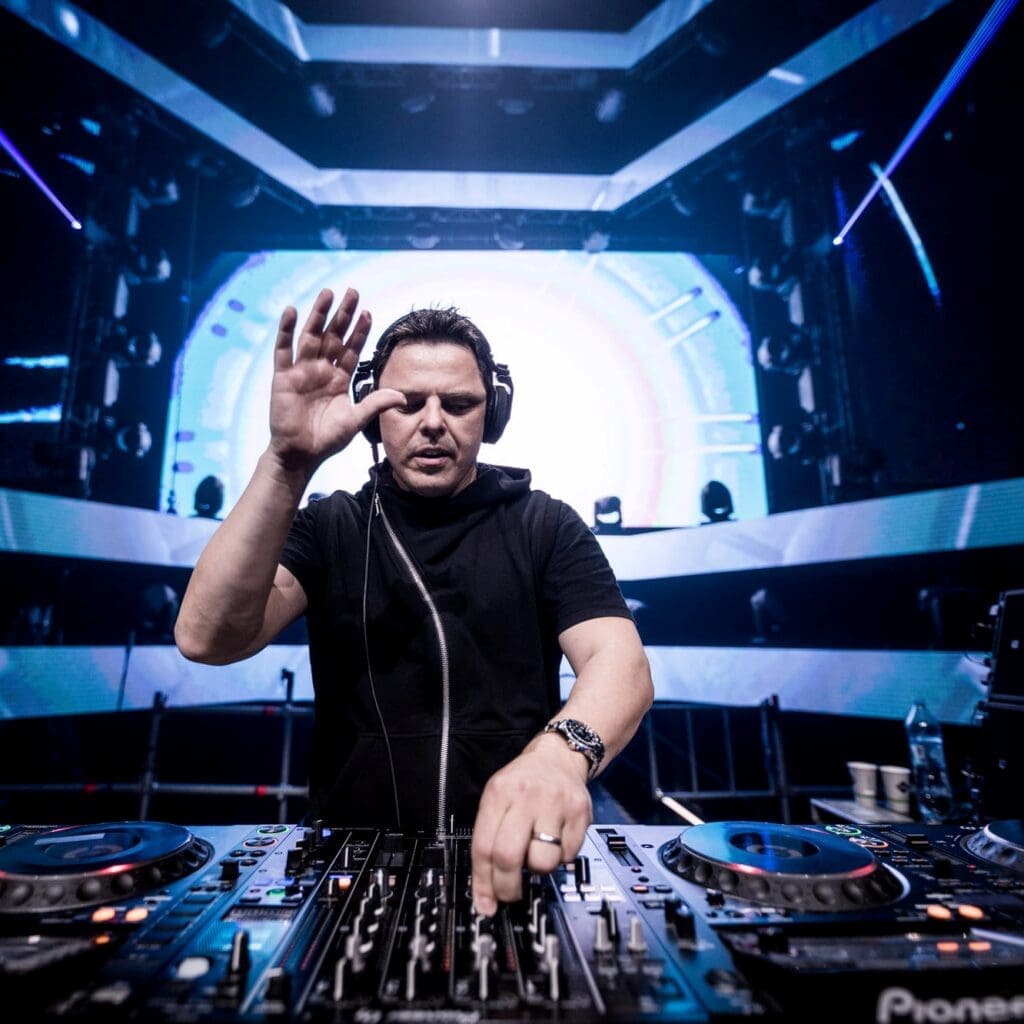
Early Life and Background
Full Name: Markus Schulz
Date of Birth: February 3, 1975
Place of Birth: Eschwege, Hesse, West Germany
Markus Schulz was born in the small German town of Eschwege during a period of cultural transition in post-war Europe. Raised in a modest household, Schulz’s early life was shaped by discipline and structure. His family later emigrated to the United States, settling in Arizona and eventually Florida—an experience that exposed him to a diverse cultural and musical landscape.
While details about his parents and siblings remain largely private, Schulz has often credited his upbringing with instilling a strong work ethic and a fascination with cross-cultural expression.
His early exposure to both European electronic sounds and American club culture would later become a defining element of his musical identity.
Education and Musical Awakening
Schulz did not follow a traditional academic path into music. Instead, his education was rooted in the underground club scenes of the United States. As a teenager, he became captivated by DJ culture, spending hours studying vinyl records and the mechanics of mixing.
By the early 1990s, Schulz had begun performing in local clubs, developing a reputation for his meticulous track selection and seamless transitions. His formative years coincided with the rise of house and techno in America, and he absorbed influences from pioneering DJs and producers across both sides of the Atlantic.
Career Beginnings and Breakthrough
Markus Schulz’s professional career began in earnest in the mid-1990s when he relocated to Miami, a city rapidly becoming a hub for electronic music. There, he immersed himself in the burgeoning club scene, eventually earning residencies at influential venues.
His breakthrough came through a combination of DJing and production work. Early releases showcased a darker, more progressive sound, distinguishing him from many of his contemporaries. Schulz’s ability to craft emotionally resonant sets—often blending trance, progressive house, and techno—quickly gained him international attention.
Rise to Global Prominence
The 2000s marked a defining era for Schulz. His weekly radio show, “Global DJ Broadcast,” became a cornerstone of his career, reaching millions of listeners worldwide. The show not only showcased his own productions but also introduced emerging artists, cementing his role as a tastemaker.
Key milestones during this period include:
- International tours spanning Europe, Asia, and the Americas
- Headlining major festivals such as Ultra Music Festival and Tomorrowland
- Consistent appearances in global DJ rankings, including DJ Mag’s Top 100
Schulz also developed the concept of “open-to-close” sets, where he would perform extended DJ sets lasting several hours, allowing him to explore a wide emotional and musical spectrum.
Musical Style and Influences
Markus Schulz’s sound is often described as progressive trance, characterized by:
- Deep, atmospheric textures
- Gradual builds and emotional climaxes
- A fusion of trance energy with techno and house elements
His influences range from early European trance pioneers to American house music innovators. Over time, Schulz has incorporated darker, more introspective tones into his work, distinguishing his sound from the more euphoric mainstream trance style.
He has often spoken about the importance of storytelling in DJing—constructing sets that take listeners on a journey rather than simply delivering peak-time hits.
Discography Overview
Studio Albums
- Without You Near (2005)
- Progression (2007)
- Scream (2012)
- Scream 2 (2014)
- Watch the World (2016)
- We Are the Light (2018)
Notable Singles
- “The New World”
- “Destiny” (with Delacey)
- “Safe from Harm” (with Emma Hewitt)
- “Remember This”
- “Avalon”
Collaborations and Production Work
Throughout his career, Schulz has collaborated with a wide range of artists, including:
- Armin van Buuren
- Ferry Corsten
- BT
- Cosmic Gate
One of his most notable collaborative projects is New World Punx, a duo with Ferry Corsten, which blends classic trance energy with modern production techniques.
Schulz has also worked extensively with vocalists such as Emma Hewitt, Justine Suissa, and Delacey, contributing to some of trance music’s most emotionally impactful tracks.
Awards and Recognition
| Year | Award / Recognition | Category |
|---|---|---|
| Multiple Years | DJ Mag Top 100 DJs | Top Rankings |
| 2013 | IDMA Awards | Best American DJ (Nominee) |
| Various | Beatport Charts | Multiple #1 Releases |
While Schulz may not be the most commercially decorated artist, his influence and respect within the industry are profound and enduring.
Challenges and Evolution
Like many long-standing artists, Schulz has navigated shifts in the EDM landscape, particularly during the explosion of commercial EDM in the early 2010s. While some artists pivoted toward mainstream sounds, Schulz maintained a commitment to his deeper, progressive roots.
This decision occasionally placed him outside the commercial spotlight but reinforced his credibility among dedicated fans and peers. He has also spoken candidly about the pressures of constant touring and the importance of maintaining creative authenticity.
Personal Life and Philosophy
Markus Schulz is known for keeping his personal life relatively private. He has, however, emphasized themes of introspection, resilience, and emotional connection in his music.
In interviews, Schulz often reflects on the importance of community within electronic music. He views his audience not as passive listeners but as participants in a shared emotional experience.
Recent Work and Activities (2020s–Present)
In recent years, Schulz has continued to evolve his sound, releasing new music and maintaining a rigorous touring schedule. His “Global DJ Broadcast” remains a central platform, showcasing both established and emerging talent.
He has also embraced digital platforms and livestream performances, particularly during periods when live events were limited globally, ensuring continued engagement with his audience.
Legacy and Cultural Impact
Markus Schulz’s legacy lies not only in his music but in his role as a curator and storyteller within electronic dance music. He has:
- Helped define the progressive trance genre
- Supported countless emerging artists
- Maintained a global community through radio and live performance
His influence extends beyond the dancefloor, shaping how electronic music is experienced—as an emotional journey rather than a series of isolated tracks.
In an industry often driven by fleeting trends, Markus Schulz stands as a model of consistency, integrity, and artistic vision. His career reflects a deep understanding of music’s emotional power and a commitment to connecting people across borders.


