

The Architects of Sonic Precision and the Future of Bass Music
Origins and Individual Backgrounds
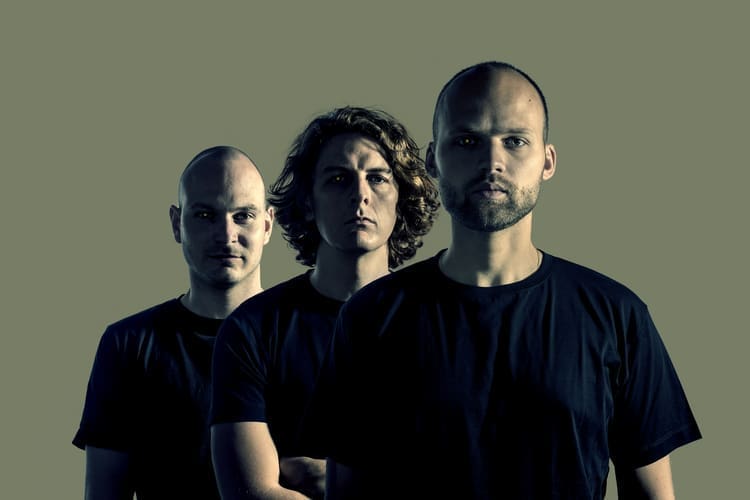
Noisia—widely regarded as one of the most technically groundbreaking acts in electronic music history—is a Dutch trio composed of Nik Roos, Martijn van Sonderen, and Thijs de Vlieger. All three members were born in the early 1980s and raised in Groningen, a northern Dutch city known for its vibrant student population and burgeoning underground music scene.
Their upbringing was not rooted in formal conservatory training, but rather in experimentation and curiosity. As teenagers, they explored a wide range of genres—from hip-hop and breakbeat to techno and drum and bass—developing a shared passion for rhythmically complex and sonically adventurous music.
Their educational paths intersected with creative pursuits. While not all pursued formal music degrees, their technical acumen—particularly in sound engineering and digital production—would later become a defining feature of their work.
Formation and Early Development
The trio began collaborating in the early 2000s, initially producing music under various aliases before consolidating their efforts under the name “Noisia” (stylized as the reverse of “vision”). This name would prove prophetic, reflecting their forward-looking approach to sound design and music production.
In their formative years, Noisia gained attention through online forums and underground releases. Their early tracks stood out for their unprecedented clarity, complexity, and power, quickly attracting the interest of established figures in the drum and bass scene.
Their breakthrough came when they began releasing music on influential labels, including those associated with artists such as Teebee and Bad Company UK. These early endorsements positioned Noisia as a rising force within the genre.
Rise to Global Prominence
By the mid-2000s, Noisia had established themselves as leaders in neurofunk, a subgenre of drum and bass characterized by its intricate sound design and futuristic aesthetic. Their productions—marked by razor-sharp basslines, cinematic atmospheres, and meticulous engineering—set new standards for the genre.
Their debut album, Split the Atom (2010), represented a defining moment in their career. The album transcended genre boundaries, incorporating elements of dubstep, electro house, and breakbeat alongside drum and bass. It was both a critical and cultural milestone, showcasing their versatility and ambition.
Tracks like “Machine Gun” became iconic, not only within electronic music but also in wider popular culture, appearing in video games, film trailers, and live performances across the globe.
Vision Recordings and Industry Leadership
Central to Noisia’s influence is their label, Vision Recordings, which they founded as a platform for their own releases and those of like-minded artists.
Vision Recordings became synonymous with innovation, nurturing talents such as Mefjus and helping to shape the direction of modern bass music. Through the label, Noisia extended their impact beyond performance and production into curation, mentorship, and industry leadership.
Their associated radio show and events further solidified their role as tastemakers, connecting audiences with cutting-edge electronic music from around the world.
Musical Style and Influences
Noisia’s sound is often described as hyper-detailed, cinematic, and technically unparalleled. Their work is defined by:
- Complex, layered sound design
- Precision-engineered bass frequencies
- Dynamic arrangements with cinematic scope
- A fusion of multiple electronic subgenres
Their influences are diverse, ranging from hip-hop producers like Dr. Dre to experimental electronic artists such as Aphex Twin. This eclectic foundation enabled them to transcend genre constraints and redefine the possibilities of electronic music production.
Collaborations and Cross-Genre Impact
Throughout their career, Noisia collaborated with a wide array of artists across genres, including:
- Skrillex
- The Prodigy
- Foreign Beggars
These collaborations expanded their reach into dubstep, electro, and hip-hop, further cementing their reputation as genre-defying innovators.
In addition to traditional releases, Noisia composed music for video games and film, including soundtracks for titles such as DmC: Devil May Cry, demonstrating their versatility and narrative sensibility.
Discography and Key Releases
Selected Discography
| Year | Release | Type |
|---|---|---|
| 2010 | Split the Atom | Studio Album |
| 2016 | Outer Edges | Studio Album |
| 2019 | Outer Edges (Remixes) | Remix Album |
| 2020s | Singles & collaborations | Ongoing releases |
Outer Edges (2016) is widely considered a masterclass in sound design, pushing the boundaries of what electronic music could achieve in terms of detail and impact.
Awards and Recognition
Noisia’s contributions have been widely recognized within the electronic music community.
Selected Awards
| Year | Award | Category |
|---|---|---|
| Multiple | Drum & Bass Arena Awards | Best Producer |
| Various | International festival headliners | Global recognition |
| Ongoing | Industry acclaim | Pioneers of Neurofunk |
Their influence extends beyond awards, shaping production standards and inspiring countless artists worldwide.
Challenges and Evolution
Operating at the forefront of innovation comes with its own challenges. Noisia consistently faced the pressure of reinvention, striving to push boundaries without repeating themselves.
Additionally, their technical complexity sometimes posed accessibility challenges for casual listeners. Balancing artistic ambition with audience engagement became an ongoing consideration throughout their career.
Perhaps the most significant turning point came in 2020, when the trio announced their decision to disband Noisia following a farewell tour. This decision was not born of conflict, but rather a shared desire to pursue individual creative paths after nearly two decades of collaboration.
Personal Lives and Creative Philosophy
Despite their global success, the members of Noisia have maintained relatively private personal lives. What emerges clearly, however, is a shared philosophy rooted in:
- Relentless innovation
- Technical excellence
- Artistic independence
In interviews, they have emphasized the importance of curiosity and experimentation, often viewing each project as an opportunity to explore new sonic territory.
Recent Activities and Post-Noisia Era
Following their farewell tour (which concluded in the early 2020s), the members of Noisia transitioned into solo projects and other creative ventures.
Thys (Thijs de Vlieger) pursued a solo career under the name Thys, exploring more melodic and experimental sounds. Meanwhile, Nik Roos and Martijn van Sonderen have also continued to work within music production, sound design, and collaborative projects.
Though Noisia as a group has concluded its active career, their influence continues to resonate across the global electronic music landscape.
Legacy and Cultural Impact
Noisia’s legacy is monumental. Their contributions include:
- Redefining sound design standards in electronic music
- Pioneering and popularizing neurofunk globally
- Bridging underground and mainstream electronic genres
- Influencing producers across drum and bass, dubstep, and beyond
For newcomers to EDM, Noisia represents the genre’s most advanced frontier—a testament to what can be achieved when technical mastery meets artistic vision.
Noisia’s journey—from a group of curious teenagers in Groningen to global pioneers of electronic music—stands as one of the most remarkable stories in modern music history.
Through innovation, discipline, and an unwavering commitment to excellence, they transformed not only drum and bass but the very language of electronic sound. Even after their final performance, their work continues to inspire, challenge, and define the future of music.


