

The Godfather of Hardcore and Architect of Gabber’s Global Sound
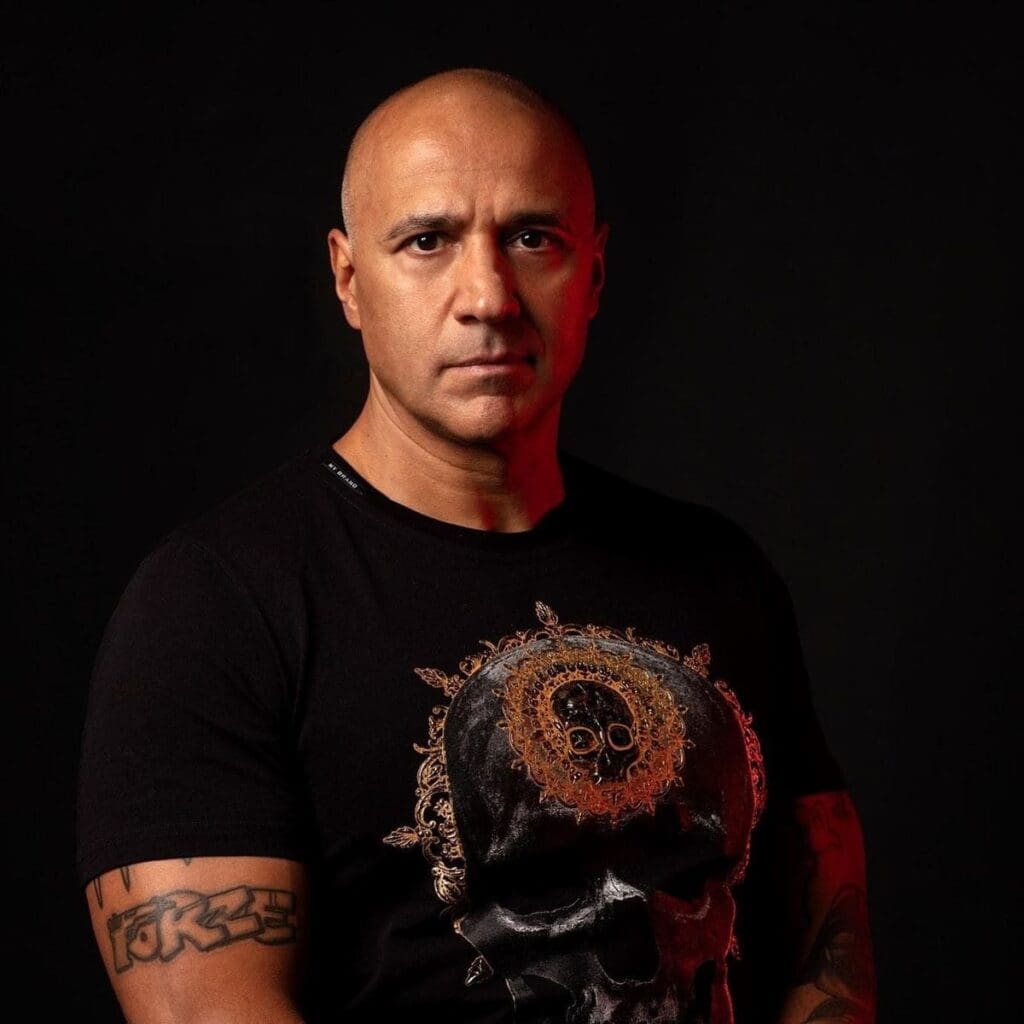
Early Life and Family Background
Full Birth Name: Paul Roger Elstak
Date of Birth: January 14, 1966
Place of Birth: The Hague
Paul Elstak was born in The Hague, in the province of South Holland, to a culturally diverse family with Indonesian, Chinese-Indonesian, German, Lithuanian, and Afro-Surinamese roots. This rich and complex heritage provided a background of varied cultural influences that, while not musical in the traditional sense, framed his openness to innovation and hybrid expression—qualities that would later define his artistic output.
Growing up in the Netherlands during the late 1960s and 1970s, Elstak experienced a period of social liberalization and growing youth culture. Although specific details of his school years are scarce, it is evident that his formative years were shaped by the vibrant urban music scenes of The Hague and neighboring Rotterdam—cities that would become epicenters of European electronic music.
Beginnings in Music and Early Career
Elstak’s path into professional music began in 1987, when he was invited to DJ at the Rotterdam discothèque Bluetiek-Inn. There, he played alongside Dutch house pioneer Peter Slaghuis, absorbing the energy of early house and electronic music culture. It was in this club environment—an incubator for experimental DJing and genre-bending styles—that Elstak’s musical philosophy began to take shape.
During this formative period, he connected with Rob Fabrie and Richard van Naamen to form the act Holy Noise, releasing tracks on Slaghuis’s Hithouse label. One of their most notable successes was “James Brown Is Still Alive,” which reached the Dutch Top 40 and demonstrated that hardcore-influenced music could resonate beyond underground clubgoers into mainstream charts.
Rise to Prominence and Genre Innovation
Rotterdam Records and the Birth of Gabber
In 1992, Elstak founded Rotterdam Records under the Mid-Town umbrella—a pivotal moment in electronic music history. This label became a central hub for gabber and early hardcore releases, helping to formalize and disseminate a sound that was faster, harder, and more aggressive than anything that had come before in European dance music.
As both a label head and producer, Elstak helped launch and support important early acts, contributing directly to tracks like “Alles Naar De Klote” by Euromasters and “Poing” by Rotterdam Termination Source—tracks that remain iconic in hardcore history.
Musical Style and Influences
Paul Elstak’s music is defined by its dual allegiance to both the underground hardcore ethos and broader dance music structures. His early productions reflected:
- Hardcore/gabber roots: aggressive kicks, fast BPMs, uncompromising energy
- Happy hardcore sensibilities: euphoric melodies and accessible grooves
- Club culture influence: a DJ’s ear for the dancefloor tailored to live audiences
His time in Rotterdam’s club scene—particularly with house and techno pioneers—influenced his rhythmic sensibilities, allowing him to build hardcore as a genre that was as emotional as it was intense.
Major Works and Cultural Milestones
Paul Elstak’s discography spans decades of innovation, but several tracks stand out as touchstones of his influence:
- “Life Is Like a Dance” – Early hit defining gabber’s crossover appeal
- “Luv U More” – Chart success and mainstream recognition
- “Rainbow in the Sky” – A perennial anthem with enduring resonance, celebrated through anniversary performances drawing large crowds
- “Don’t Leave Me Alone” and “The Promised Land” – Tracks that broadened his reach beyond hardcore circles
These songs not only charted in the Netherlands but became staples on European dance floors, aiding gabber’s rise from niche subculture to global recognition.
Collaborations and Production Contributions
Throughout his career, Elstak collaborated with a broad range of artists, pushing the boundaries between hardcore and other EDM styles. In recent years, he co-wrote and co-produced “Europapa” for Dutch artist Joost Klein, a track selected to represent the Netherlands in the 2024 Eurovision Song Contest—bringing elements of hardcore into Europe’s most mainstream musical showcase.
He has worked with hip-hop and hardcore figures, and his label projects have supported artists across styles from techno to gabber, fostering a generation of producers who draw inspiration from his broad creative foothold.
Career Challenges and Controversies
Elstak’s journey has not been without tension. His foray into happy hardcore—a more melodic and accessible style—drew criticism from some within the hardcore community, who felt that the genre’s raw intensity was being softened. The cultural split between underground purists and mainstream-friendly producers was something Elstak navigated directly, maintaining his artistic vision while expanding his audience.
There were also the inevitable peaks and valleys of touring life, including periods of financial difficulty early in his career before hardcore’s mainstream success solidified. Yet, his persistence and adaptability ensured that his influence only grew over time.
Personal Life and Public Image
While Paul Elstak keeps much of his personal life private, what remains clear is how his identity has shaped his public persona. A proud supporter of his hometown’s football culture and a respected elder statesman within the hardcore scene, Elstak’s image blends hard-edged authenticity with a celebration of community and cultural pride.
His reflections—especially on how hardcore was initially received and later embraced—offer insight into the emotional heartbeat of the movement he helped nurture.
Recent Activities and Current Work
In the 2020s, Elstak remains highly active. His collaborations continue to bring his sound to new audiences, including the 2024 XTCWTF single with Reinier Zonneveld and contributions to tracks gaining attention across festival circuits. Major performances continue at events like Masters of Hardcore and All Day Long, showing his enduring relevance.
He also continues to celebrate the legacy of his classic tracks, with anniversary events planned around hallmark hits such as “Rainbow in the Sky”.
Awards and Recognition
Paul Elstak’s contributions to music have been formally acknowledged through numerous honors:
| Year | Award | Recognition |
|---|---|---|
| 1995 | Zilveren Harp | Emerging Talent Recognition |
| 2011 | Rembrandt Award | Best Title Song (film New Kids Turbo) |
| 2023 | Gouden Harp (Golden Harp) | Lifetime contribution to Dutch music |
His Golden Harp award, in particular, celebrated his lifelong influence on Dutch music culture and the global expansion of hardcore and gabber styles.
Legacy and Broader Influence
Paul Elstak’s legacy is both deep and far-reaching. As a pioneer of gabber and hardcore, he helped create a genre that has inspired:
- Hardcore techno movements across Europe and beyond
- Fusion genres that blend melody with intensity
- Cultural communities around electronic dance music
His work paved the way for global festivals, influenced production styles, and reshaped how EDM could balance raw power with melodic accessibility.
Paul Elstak’s journey—from DJing in Rotterdam clubs to shaping an internationally revered genre—is a testament to artistic vision, cultural resilience, and the transformative power of dance music. For readers new to EDM, his life and work offer not only an introduction to hardcore and gabber but a portrait of an artist who helped define what it means to push music forward with heart, courage, and unbridled energy.


