

The Dubstep Architect Who Helped Shape a Global Bass Music Movement
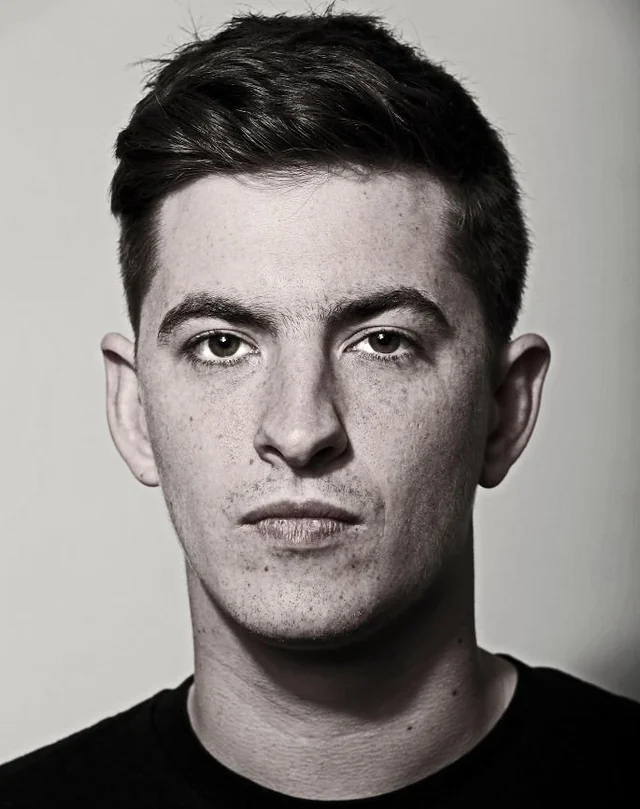
Born Oliver Dene Jones on 1 June 1986 in Croydon, South London, England, Skream rose from teenage bedroom producer to international DJ and cultural innovator. Over more than two decades, his contributions have influenced countless producers, reshaped club music, and cemented his reputation as one of the most important figures in British electronic music history.
Early Life and Musical Roots
Oliver Dene Jones was born and raised in Croydon, a culturally diverse borough of South London that played a significant role in the development of several UK underground music movements.
Music was present throughout his childhood. His father, Adrian Jones, was involved in the music industry and worked in sound system engineering, giving young Oliver early exposure to studio environments and electronic equipment. This access proved invaluable, allowing him to experiment with music production at an unusually young age.
Jones attended local schools in Croydon and developed a fascination with rhythm and bass-heavy music. Like many teenagers in South London at the time, he was immersed in the rapidly evolving UK garage scene of the late 1990s and early 2000s.
By the age of 15, he had already begun producing tracks using early digital audio software such as FruityLoops (later known as FL Studio). What began as experimentation quickly turned into a passion, and Jones soon became part of a small but vibrant community of producers who would ultimately create the foundations of dubstep.
The Birth of Dubstep and the Croydon Scene
The early 2000s saw a creative explosion in South London’s underground music culture. Producers and DJs were experimenting with new sounds that blended elements of UK garage, dub reggae, drum and bass, and grime.
Skream became closely associated with a group of young producers that included:
- Benga
- Artwork
- Digital Mystikz
These artists gathered around influential record shops such as Big Apple Records, which served as the cultural hub of the emerging scene.
Under the mentorship of more experienced DJs and producers, Skream began refining a sound built around deep sub-bass, syncopated drum patterns, and spacious sonic textures. This emerging style would soon become known as dubstep.
Breakthrough with “Midnight Request Line”
Skream’s breakthrough arrived in 2005 with the release of the now legendary track:
Midnight Request Line
The track marked a turning point for dubstep. Unlike earlier productions that emphasized dark atmospheres and minimal structures, “Midnight Request Line” introduced a melodic synth line that gave the genre a new emotional dimension.
The song quickly became a staple in underground clubs and radio shows, helping bring dubstep to a wider audience.
Many historians of electronic music regard the track as one of the most important records in dubstep history, helping define the genre’s sonic identity during its formative years.
Rise to Prominence and Early Albums
Following the success of “Midnight Request Line,” Skream became one of dubstep’s most visible ambassadors.
In 2006, he released his self-titled debut album:
Skream! (2006)
The album captured the raw creativity of the early dubstep scene and featured tracks that would become genre classics.
Notable tracks included:
- Midnight Request Line
- Rutten
- Dutch Flowerz
The album’s success helped establish Skream as one of the leading figures in the emerging genre.
Magnetic Man and Mainstream Expansion
In 2010, Skream joined forces with fellow producers Benga and Artwork to form the electronic trio:
Magnetic Man
The group represented one of the first major attempts to bring dubstep into the mainstream music industry.
Their self-titled debut album:
Magnetic Man (2010)
featured collaborations with vocalists including Katy B and Angela Hunte.
The single I Need Air became a chart hit in the United Kingdom, introducing dubstep’s sonic palette to a broader audience.
Magnetic Man’s performances at major festivals and television appearances marked a significant cultural moment for British electronic music.
Artistic Evolution: Beyond Dubstep
By the early 2010s, Skream began exploring new musical directions. While many fans associated him primarily with dubstep, he expressed growing interest in other forms of electronic music.
He increasingly incorporated influences from:
- House music
- Disco
- Techno
- UK garage
This shift became evident in albums such as:
- Outside the Box (2010)
- Skreamizm Vol. 1–8 series
His DJ sets also evolved dramatically, moving away from dubstep toward eclectic selections spanning decades of dance music.
While some early fans resisted this change, others praised Skream’s willingness to evolve and challenge expectations.
Production Work and Collaborations
Throughout his career, Skream has collaborated with a wide range of artists across multiple genres.
His work includes collaborations with:
- La Roux
- Sam Frank
- Katy B
- Example
In addition to producing his own tracks, Skream has been active as a remixer and DJ, bringing underground electronic music to audiences around the world.
His DJ performances are known for their unpredictability—often spanning multiple genres within a single set.
Personal Life and Public Identity
Despite his high profile within the electronic music world, Skream has maintained a relatively grounded public persona.
He has spoken openly in interviews about the influence of South London’s multicultural music culture on his work. The sounds of Caribbean dub, British rave culture, and urban street music all played a role in shaping his musical identity.
Skream is also known for his outspoken personality on social media, where he frequently shares candid opinions about the music industry and the evolution of dance music.
In recent years, he has balanced his career with family life, often discussing the importance of maintaining perspective beyond the nightlife environment.
Challenges and Controversies
Like many pioneers of emerging music scenes, Skream has occasionally found himself at the center of debates within electronic music culture.
One recurring topic has been the evolution of dubstep. As the genre gained global popularity—particularly in North America—its sound changed significantly. Some critics argued that the newer style diverged from the original UK sound.
Skream has consistently emphasized that musical evolution is natural, expressing pride in having helped start a movement that grew beyond its underground origins.
Selected Discography
Studio Albums
| Year | Album |
|---|---|
| 2006 | Skream! |
| 2010 | Outside the Box |
Magnetic Man Albums
| Year | Album |
|---|---|
| 2010 | Magnetic Man |
Notable EP Series
| Series | Years |
|---|---|
| Skreamizm | 2006–2015 |
Awards and Recognition
While dubstep originated in underground club culture rather than mainstream award circuits, Skream’s influence has been widely recognized within the electronic music community.
| Year | Recognition | Category |
|---|---|---|
| 2006 | Dubstep Scene Recognition | Breakthrough Producer |
| 2010 | UK Chart Success | Magnetic Man Project |
| 2010s | International Festivals | Global Headlining DJ |
Cultural Impact and Legacy
Skream’s importance to modern electronic music cannot be overstated. Alongside contemporaries such as Benga, Kode9, and Burial, he helped create a genre that reshaped global dance music.


