

The Sonic Storyteller of Afro-House
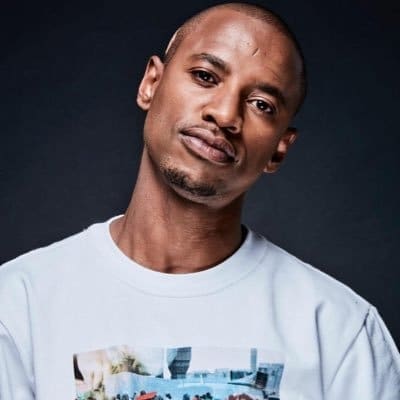
Early Life and Background
Da Capo was born Nicodimas Sekheta Mogashoa on December 9, 1992, in Seshego, a township in Limpopo Province, South Africa. Raised in a culturally rich environment, his upbringing was shaped by the rhythms of everyday township life, gospel music, and the burgeoning sounds of South African house.
Details about his immediate family remain relatively private, but it is widely understood that music played an integral role in his early life. Like many South African producers of his generation, his initial exposure came through community gatherings, radio broadcasts, and local DJs who transformed modest spaces into vibrant musical ecosystems.
His formal education followed a conventional path, but it was his growing fascination with music production that ultimately defined his trajectory. As a teenager, he began experimenting with software-based production tools, teaching himself the intricacies of beat-making and sound design.
The Genesis of a Musical Journey
Da Capo’s entry into professional music was marked by persistence and self-discipline. Without the infrastructure often available in Western music markets, he relied heavily on self-education and grassroots networks.
His early productions caught the attention of influential figures within South Africa’s house music scene, particularly those associated with labels like Soulistic Music, co-founded by Black Coffee. This connection would prove pivotal.
In 2014, Da Capo released his debut album, Touched, a project that immediately signaled the arrival of a unique voice. Blending deep house textures with African rhythmic sensibilities, the album established him as a rising force within the genre.
Breakthrough and Rise to Prominence
The success of Touched opened doors to collaborations, international bookings, and further creative exploration. Da Capo quickly became associated with a new wave of Afro-house artists who were redefining the global perception of African electronic music.
His subsequent releases, including projects like Indigo Child and Genesys, showcased an artist unafraid to evolve. These works expanded his sonic range, incorporating elements of ambient music, jazz, and traditional African instrumentation.
A key milestone in his career was his collaboration with Nduduzo Makhathini, whose jazz sensibilities added depth and sophistication to Da Capo’s productions. Similarly, his work with vocalists and instrumentalists across the continent reinforced his commitment to collaboration as a creative philosophy.
Musical Style and Influences
Da Capo’s music is often described as Afro-house, but such a label only partially captures its complexity. His sound is characterized by:
- Polyrhythmic percussion rooted in African traditions
- Atmospheric synths that evoke introspection
- Spiritual undertones, often conveyed through vocal samples and harmonic progressions
His influences are diverse. While rooted in African musical traditions, he has cited inspiration from global electronic pioneers and jazz musicians. The emotional depth of his work often reflects a broader engagement with themes of identity, spirituality, and transformation.
In interviews, Da Capo has emphasized the importance of storytelling in his music, viewing each track as part of a larger narrative rather than an isolated composition.
Discography Overview
Studio Albums
- Touched (2014)
- Indigo Child (2017)
- Genesys (2020)
Selected Singles & EPs
- “Speed of Sound”
- “Kelaya”
- “Found You”
- Various remixes and collaborative releases
His discography reveals a steady evolution—from the raw energy of his early work to the refined, cinematic quality of his later productions.
Collaborations and Industry Contributions
Da Capo’s collaborative ethos has led him to work with a wide array of artists, both within and beyond Africa. Notable collaborators include:
- Black Coffee
- Ralf GUM
- Culoe De Song
Beyond individual tracks, his influence extends to the broader Afro-house movement. He has played a key role in elevating the genre’s global profile, bringing its nuanced rhythms and emotional depth to international audiences.
Awards and Recognition
Da Capo’s contributions have been recognized within the African music industry and beyond.
| Year | Award | Category | Result |
|---|---|---|---|
| Various | South African Music Awards | Best Dance Album (nominations) | Nominated |
| Various | Underground music accolades | DJ/Producer recognition | Honored |
While not always reflected in mainstream awards, his impact is deeply felt within the global electronic community.
Challenges and Controversies
Da Capo’s career has largely been defined by artistic focus rather than controversy. However, like many artists operating within emerging markets, he has faced structural challenges—limited resources, industry gatekeeping, and the complexities of achieving global recognition from a non-Western base.
Additionally, the rapid globalization of Afro-house has raised questions about cultural ownership and representation—issues that artists like Da Capo navigate carefully, striving to maintain authenticity while reaching wider audiences.
Personal Life and Artistic Philosophy
Da Capo maintains a relatively private personal life, allowing his music to serve as the primary medium of expression. His public persona is marked by introspection and humility, qualities that resonate in his work.
Spiritually, his music often reflects a search for meaning and connection. This dimension has become a defining feature of his artistry, setting him apart in a genre often dominated by purely functional dancefloor tracks.
Recent Activities (2020s–2026)
In recent years, Da Capo has continued to tour internationally, performing at major festivals and intimate venues alike. His DJ sets are known for their emotional arc, blending unreleased material with carefully selected tracks from across the global electronic spectrum.
He has also expanded his role as a curator, supporting emerging artists and contributing to the development of the Afro-house scene.
Legacy and Cultural Impact
Da Capo’s legacy lies not only in his music but in his role as a cultural ambassador. By bringing Afro-house to global audiences, he has helped reshape perceptions of African electronic music—demonstrating its depth, diversity, and artistic potential.
His work stands as a testament to the power of music to transcend borders, offering listeners a glimpse into the rich sonic landscapes of contemporary Africa.
In the vast and often commercialized world of electronic dance music, Da Capo remains a singular voice—an artist committed to authenticity, innovation, and emotional resonance. His journey from Seshego to the global stage is not merely a story of success but a reflection of a broader cultural movement.


