

The Visionary Who Carried Chicago Footwork to the World
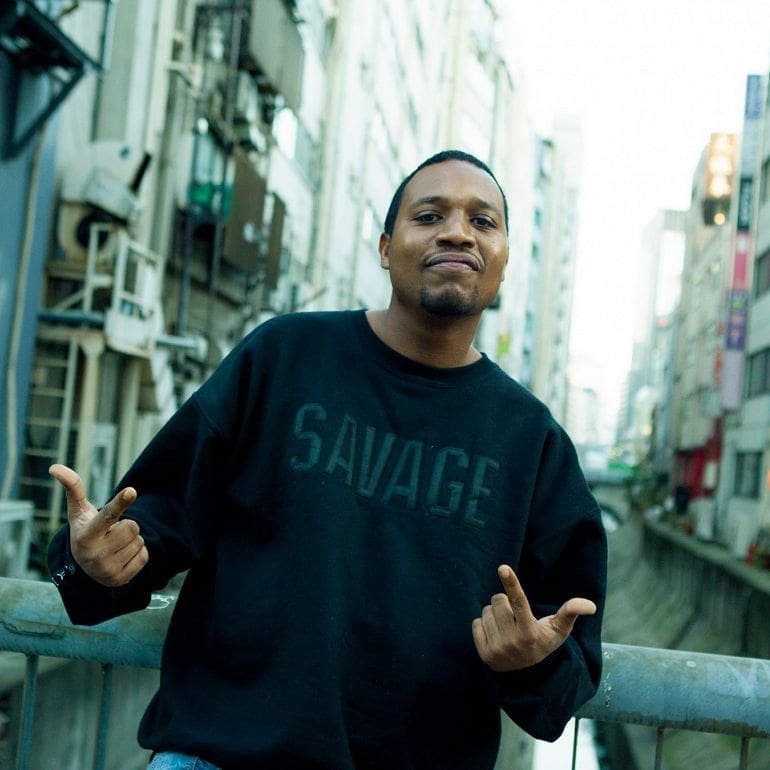
Early Life and Background
Full Birth Name: Rashad Harden
Date of Birth: October 9, 1979
Place of Birth: Chicago
Rashad Harden was born and raised on Chicago’s South Side, a region whose cultural output has profoundly shaped modern music. Growing up in a city already legendary for house music, Rashad was immersed in an environment where DJs were community figures and dance was a vital form of expression.
Details about his immediate family and formal education remain largely private, yet his upbringing was undeniably shaped by Chicago’s vibrant street culture, where creativity thrived despite socioeconomic challenges. It was within this environment that Rashad developed his early fascination with rhythm and movement.
Musical Beginnings: From Dance Battles to Beat Construction
DJ Rashad’s introduction to music was inseparable from dance. As a young participant in Chicago’s footwork dance scene, he initially gained recognition as a dancer before transitioning into DJing and production.
Influenced by early innovators such as:
- RP Boo
- DJ Clent
- Traxman
Rashad began creating tracks tailored specifically for footwork battles—fast, rhythmically complex compositions designed to challenge and inspire dancers.
His early work reflected the raw, loop-based aesthetic of Chicago’s juke and ghetto house scenes, but it would soon evolve into something far more expansive.
The Birth of Teklife: A Movement Takes Shape
A defining chapter in DJ Rashad’s career was the formation of Teklife, a collective that became synonymous with the global rise of footwork.
Alongside collaborators such as DJ Spinn and later figures like DJ Earl, Rashad cultivated a community-driven approach to music-making.
Teklife was not merely a group—it was a cultural movement, rooted in Chicago but increasingly outward-looking. Through it, Rashad helped transform footwork from a localized phenomenon into an internationally recognized genre.
Breakthrough and International Recognition
DJ Rashad’s global breakthrough came in the early 2010s, particularly through his collaboration with the influential UK label Hyperdub.
His 2013 album, Double Cup, is widely regarded as a landmark release—not only within footwork, but across electronic music as a whole. The album showcased a remarkable evolution in his sound, blending:
- Rapid footwork rhythms
- Soulful and jazz-inflected samples
- Atmospheric textures and emotional depth
Tracks like “Feelin” and “Let It Go” revealed a new dimension of footwork—one that was introspective, musical, and globally accessible.
Artistic Style: Complexity with Emotion
DJ Rashad’s music is defined by its duality: technical complexity paired with emotional resonance. His signature elements include:
- High tempos (around 160 BPM)
- Intricate, syncopated drum patterns
- Chopped vocal samples
- Warm, melodic undertones
Unlike earlier iterations of footwork that prioritized raw energy, Rashad’s later work introduced a more nuanced and expressive approach, elevating the genre into a form of sonic storytelling.
For newcomers, his music may initially feel fast and fragmented—but beneath its surface lies a deeply human sensibility.
Discography Overview
Selected Releases
| Year | Project | Notes |
|---|---|---|
| 2008–2012 | Early singles and mixtapes | Foundation of his sound |
| 2013 | Double Cup | Landmark album, global breakthrough |
| 2014 | Posthumous releases | Continued influence |
| 2015–2026 | Reissues and tributes | Ongoing legacy |
Awards and Recognition
| Category | Achievement |
|---|---|
| Critical Acclaim | Double Cup widely praised internationally |
| Cultural Impact | Pioneer of global footwork movement |
| Legacy Recognition | Revered figure in electronic music history |
Though not heavily decorated with mainstream awards during his lifetime, DJ Rashad’s influence has been profoundly acknowledged by critics, artists, and institutions worldwide.
Collaborations and Industry Contributions
DJ Rashad collaborated with a wide array of artists, contributing to the cross-pollination of genres. His collaborators included:
- DJ Spinn
- DJ Manny
- Addison Groove
Through these collaborations, he helped integrate footwork into broader electronic music contexts, influencing producers across techno, bass, and experimental genres.
Challenges and Personal Struggles
DJ Rashad’s life was not without hardship. Like many artists emerging from underground scenes, he faced:
- Limited mainstream recognition during his early career
- Financial and structural challenges within the music industry
- Personal struggles, including issues related to substance use
Tragically, Rashad passed away on April 26, 2014, at the age of 34. His death was widely mourned across the global music community, marking a profound loss for the genre he helped define.
Personal Life and Cultural Identity
Despite his growing international fame, DJ Rashad remained deeply connected to Chicago and the community that shaped him. His work reflected:
- The rhythms and energy of South Side culture
- A commitment to collaborative creativity
- An understanding of music as both personal expression and communal experience
In interviews, he often emphasized the importance of staying grounded and supporting fellow artists—a philosophy embodied in the Teklife collective.
Legacy: A Global Movement Born from Local Roots
The legacy of DJ Rashad is both profound and far-reaching. His contributions include:
- Transforming footwork into a globally recognized genre
- Elevating its musical and emotional complexity
- Inspiring a new generation of producers and dancers
Today, his influence can be heard in electronic music scenes across the world—from underground clubs to major festivals.
DJ Rashad’s story is one of vision, resilience, and cultural transformation. From the dance battles of Chicago to international acclaim, he redefined what electronic music could be—turning rhythm into a language of expression and connection.


