

The Architect of Afro-Electronic Excellence
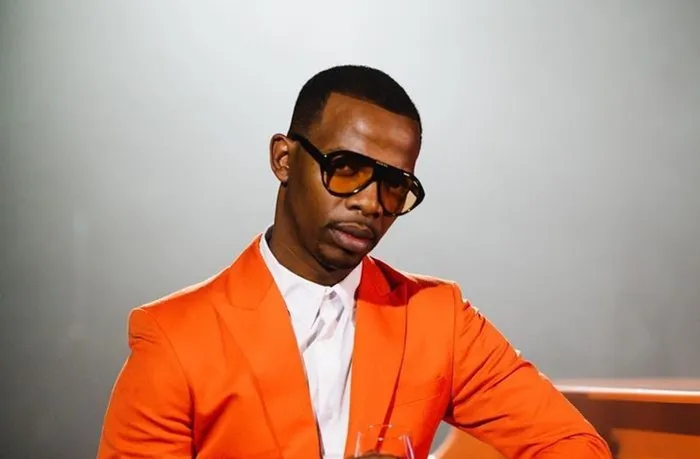
Early Life and Background
Zakes Bantwini was born Zakhele Madida on June 26, 1981, in KwaMashu, Durban, KwaZulu-Natal, South Africa. Raised in a township environment rich with musical and cultural traditions, Bantwini’s early life was deeply influenced by the sounds of Zulu folk music, gospel choirs, and South Africa’s evolving urban music scene.
His upbringing was marked by both challenges and inspiration. Growing up in KwaMashu—a community known for its artistic vibrancy despite socioeconomic constraints—he developed a strong sense of cultural identity and creative ambition. Family and community played a crucial role in nurturing his early interest in music.
Education and Musical Foundations
Unlike many artists who enter the industry through informal pathways, Bantwini pursued formal music education, which would become a defining element of his career.
He attended the prestigious Durban University of Technology, where he studied Jazz and Music Performance. This academic training provided him with:
- A deep understanding of music theory
- Skills in composition and arrangement
- Exposure to diverse musical genres
His education allowed him to approach electronic music not just as a DJ or producer, but as a composer, integrating live instrumentation and complex arrangements into his work.
Early Career and Breakthrough
Zakes Bantwini began his professional journey in the early 2000s, initially gaining attention through songwriting and collaborations. His breakthrough came with his debut album:
“Love, Light & Music” (2008)
This project introduced his signature style—a fusion of house music with soulful melodies and live instrumentation. It marked the beginning of a career defined by innovation and artistic integrity.
Over the following years, he released a series of successful albums that solidified his position within South Africa’s music industry.
Musical Style and Influences
Zakes Bantwini’s sound is best described as a fusion of Afro-house, electronic music, jazz, and traditional African elements. His work is characterized by:
- Rich orchestration
- Emotive vocal arrangements
- Deep, rhythmic grooves
- Spiritual and cultural themes
Key Influences
His influences span both local and global traditions, including:
- Zulu traditional music
- Jazz and classical composition
- South African house pioneers
- Contemporary Afro-house innovators
Artists such as Black Coffee have been contemporaries within the Afro-house movement, contributing to the global rise of the genre alongside Bantwini.
Career Evolution and Major Milestones
Establishing a Unique Sound (2008–2015)
- Released multiple albums blending live instrumentation with house music
- Built a reputation as a composer rather than a conventional DJ
- Gained national recognition for his innovative approach
Expansion and Industry Leadership (2015–2020)
- Founded his own label and creative platforms
- Collaborated with leading South African and international artists
- Became a mentor figure within the industry
Global Breakthrough (2021–Present)
One of the most defining moments of his career came with the global success of:
“Osama” (2021)
A collaboration with Kasango, the track became an international sensation, charting globally and dominating dance floors. Its minimalist yet powerful composition exemplified Bantwini’s ability to create emotionally resonant electronic music.
Discography
Studio Albums
- Love, Light & Music (2008)
- The Good Life (2013)
- Ghetto King (2013)
- Love, Light & Music 2 (2014)
- Imali (2017)
Notable Singles
- “Clap Your Hands”
- “Wasting My Time”
- “Osama” (with Kasango)
Awards and Recognition
Zakes Bantwini’s contributions have been widely recognized both locally and internationally.
| Year | Award | Category |
|---|---|---|
| 2023 | Grammy Awards | Best Global Music Performance (“Bayethe”) |
| 2022 | South African Music Awards | Various nominations and wins |
| Multiple | Industry Honors | Afro-house and composition excellence |
His Grammy win marked a historic moment, reinforcing the global significance of Afro-electronic music.
Collaborations and Industry Contributions
Zakes Bantwini has worked with a wide array of artists, contributing as a producer, composer, and songwriter.
Key Collaborators
- Black Coffee
- Kasango
- Nkosazana Daughter
- Wouter Kellerman
His work often bridges genres, bringing together electronic producers, vocalists, and instrumentalists in innovative ways.
Cultural Impact and Legacy
Zakes Bantwini’s impact extends far beyond chart success. He has played a pivotal role in:
- Elevating Afro-house to global recognition
- Integrating African musical traditions into electronic music
- Inspiring a new generation of artists to pursue formal musical education
For global audiences, his music offers a deeper understanding of how electronic music can serve as a vehicle for cultural storytelling.
Challenges and Controversies
While largely respected within the industry, Bantwini has faced challenges common to pioneering artists, including:
- Navigating the commercialization of Afro-house
- Balancing artistic integrity with mainstream appeal
- Advocating for fair recognition of African artists on global platforms
He has remained vocal about the importance of ownership, education, and cultural authenticity in music.
Personal Life and Public Persona
Zakes Bantwini is married to South African media personality Nandi Madida. Their partnership is often celebrated as a union of creative forces, with both contributing to South Africa’s cultural landscape.
He is known for his articulate, thoughtful public presence, often speaking about music as a form of education and empowerment. His identity as a Zulu man plays a central role in his artistic expression.
Recent Activities and Continuing Influence
In recent years, Bantwini has continued to expand his global footprint through:
- International performances
- Cross-genre collaborations
- Educational and mentorship initiatives
His work remains at the forefront of Afro-electronic innovation, blending tradition with modernity in increasingly sophisticated ways.
Zakes Bantwini stands as one of the most intellectually and artistically compelling figures in contemporary electronic music. His journey—from KwaMashu to the global stage—illustrates the transformative power of education, cultural pride, and creative vision.


